


Is Cusco Safe? A Complete Planning Guide For Visiting Peru's Charming Andean City
Is Cusco safe for tourists? This is often one of the biggest questions we get asked, and as such deserves its own comprehensive guide.
Peru’s sacred Inca city, Cusco dazzles with its ancient crumbling temples and charming colonial alleyways - and ranks as the most popular tourist destination in all of Peru. However the safety situation is worth learning about before your visit in order to have the smoothest experience possible - which includes the best areas to stay in, how to deal with the high altitudes, and street smart advice when walking around the city.
In this comprehensive guide we’ll explore the safety situation in Cusco, including our own advice based on experience on how to stay safe in Cusco. Later in this article we’ll also answer your most frequently asked questions in our FAQ section.
Quick Overview: Is Cusco Safe For Tourists?
Overall Cusco is a very safe city to visit in Peru, and the strong majority of travellers have zero to little issues when here. This owes both to its friendly warm culture towards tourists, and also as the city is very well set-up for tourism with its safe plazas, pedestrian-only streets and abundance of luxury hotels and restaurants.
It is important to mention that proper preparation is another key factor for why first-timers have a safe stay in Cusco. This includes choosing the right area for a stay (either the Historic Center or San Blas districts), acclimating properly for the higher altitudes, as well as understanding the local daily risks when exploring Cusco. We’ll cover each of these topics later in this guide so you’ll be fully ready when heading here on your trip.
Our 5 Top Cusco Safety Tips (Expert Advice From The Luxury Peru Travel Company)
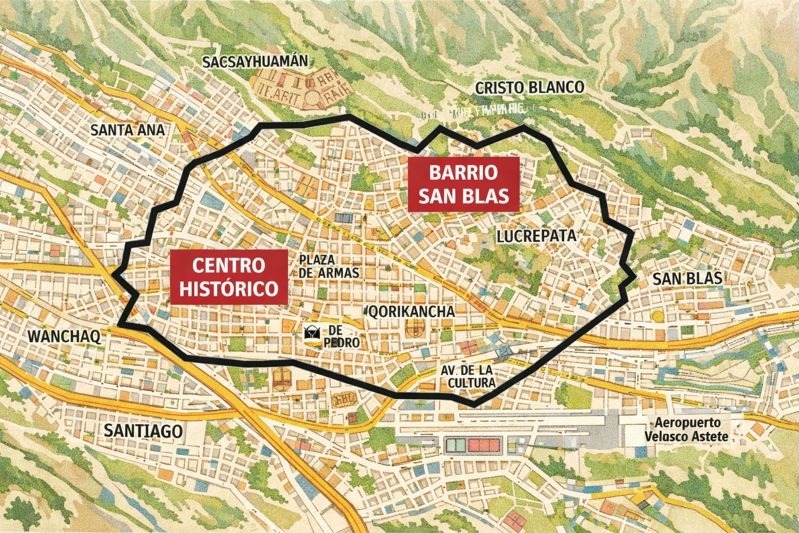
- Stay In The Historic Center / San Blas - Both of these areas are very safe for tourists, and are ideal for walking around both in the day and night. The Historic Center in particular is best, given it’s home to many top luxury hotels and famous restaurants
- Leave Valuables Back In Your Hotel - This includes your passport, extra cash, backup credit cards and anything else valuable. This reduces your risk of getting targeted by pickpockets, and avoids you having to deal with any big mishaps during your Cusco vacation.
- Ask For Local Advice From Your Tour Company Or Hotel - Don’t be afraid to ask a thousand questions before and during your trip! This includes how much a taxi ride should cost, booking safe transport, what food is safe to eat or where the safest ATM’s are. When booking a luxury Peru vacation with us, our expert tour guides are here to help you with any questions or worries you may have.
- Have A Proactive Altitude Plan - Ideally you’ll visit mid-altitude destinations between Lima and Cusco for a more gentle acclimatization (such as Arequipa or the Sacred Valley), however there’s other preparation strategies if coming directly. This includes keeping activities gentle during your first two days, drinking lots of water, avoiding alcohol and using altitude sickness remedies such as Coca Leaf Tea and Diamox tablets.
- Use Reputable Tailored Tour Providers - One thing is seeing Machu Picchu, the other is getting there and back both safely and comfortably - while having an expert properly show you around the sacred site. Using the most reputable tour providers and guides helps ensure both safety and seamless travel in Cusco, while having the most memorable experiences.
Cusco Safety On The Ground (What Tourists Actually Experience)
Let’s now see exactly what it’s like exploring Cusco on the ground, which includes the safest areas to explore, whether it’s fine to walk around at night, as well as a true perspective on crime here.
Walking Around Cusco By Day And Night
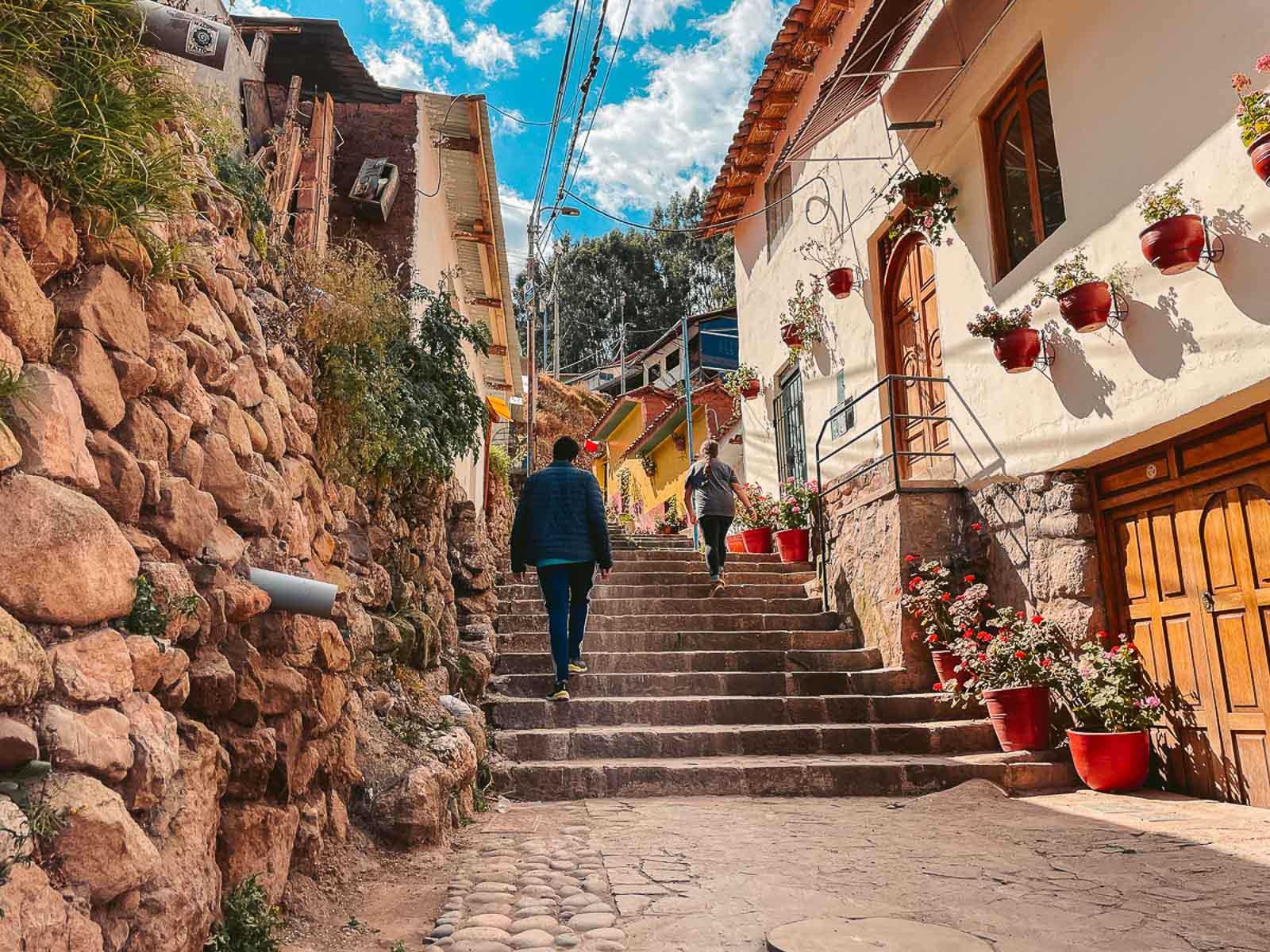
As we’ve already seen in the map above, the Historic Center and San Blas areas are the safest for a stay. During the day, both are buzzing with the local atmosphere, often with busy markets and small parades going on along its cobblestone streets, and are home to many worthwhile things to do when in Cusco. It’s very safe to walk around both areas during the day, as long as you stay within these areas, and be mindful of your valuables when heading around busy markets or crowded areas.
During the nighttime, Cusco is also safe in both of these areas. The Historic Center in particular is known for its nightlife scene, along with rows of fancy restaurants that line the Plaza de Armas and adjacent narrow streets. Walking between them is usually fine, although taking a taxi at very late hours is recommended.
Crime In Cusco: What’s Common Vs What’s Rare
Crime in Cusco that is aimed towards tourists is usually uncommon - however the most likely risk is pickpocketing and local scams.
Pickpocketing usually happens in busy markets or crowded areas where there is a lot happening, as it can be easy for tourists to lose focus on their immediate surroundings. Usually perpetrators will look for valuables, so by leaving these in your apartment you immediately minimise your risk of becoming a target. Also be sure to keep your phone and wallet in your front pockets too for added safety.
Local scams usually involve tourists paying too much for things, such as a taxi ride or when buying local products. As we’ll see later in the section about using taxis safely, this can be avoided entirely by having a reputable travel company or lead guide educate you on exactly what things should cost. You will also know how to politely decline such requests, making for a more comfortable and smooth experience when exploring Cusco.
Violent crime is extremely rare in Cusco, and especially when staying within the Historic Center and San Blas areas. This may be less uncommon outside in non-touristy areas - which is why we strongly suggest not staying there - or only visiting with a reputable tour guide during daylight hours.
Using ATMs And Carrying Money Safely
There’s a good chance you’ll need to withdraw money when in Cusco, and there are many banks that offer good exchange rates with their ATM’s. For your safety, we recommend only using ATM’s inside banks like BCP and Interbank, as they are safely guarded and protected.
As mentioned earlier in this guide, pickpocketing is a very small but possible risk in Cusco, so it’s best to only carry only what you need for the day - and also to follow key safety tips like keeping your wallet in your front pocket. Given ATM’s usually charge a fixed withdrawal rate regardless of the amount, it’s best to withdraw a large amount - and keep what you don’t need for the day safe back in your hotel or apartment.
Expert Tip: In Cusco, using the local currency of Soles is best for most daily needs - so we suggest bringing enough Soles with you or withdrawing more in Cusco when needed. You can also use Dollars or credit cards in many luxury restaurants and hotels - however Soles is the most simple and reliable option overall.
Transport, Taxis, And Getting Around Cusco Safely
Is it best to use local transport or hotel-provided services? Let’s now explore how to get around Cusco safely.
Are Taxis Safe in Cusco?
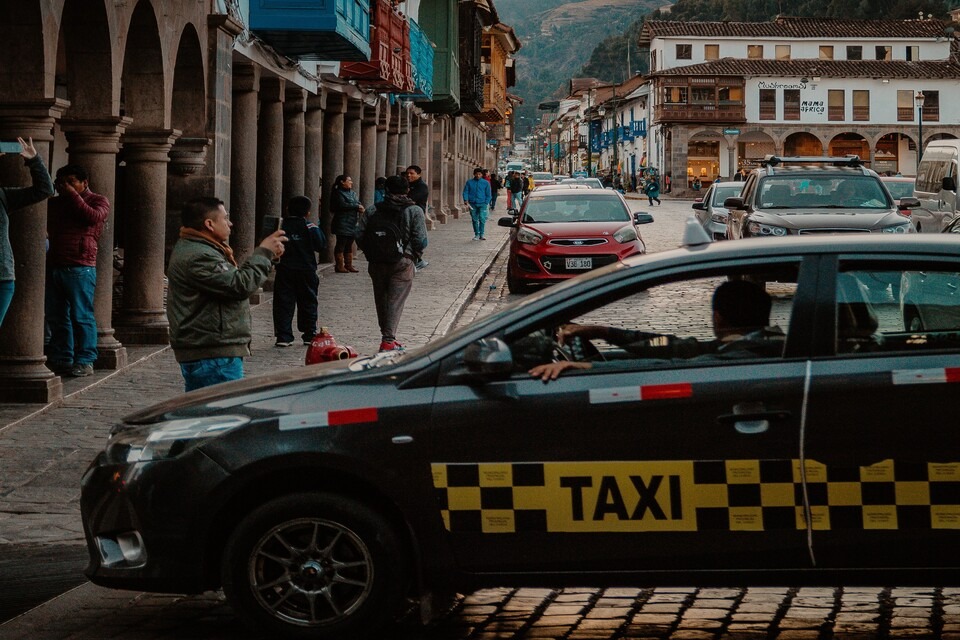
Taxis are generally safe for tourists to use, as long as you follow a few important guidelines. Firstly it’s important to only use official taxis, which usually wait at designated stands for tourists. If you are unsure, then the best way is to get your hotel or restaurant to call one for you - as they are used to these requests and will gladly help arrange one for you. You can also use apps like Uber and Cabify, which are much safer than hailing a taxi directly from the street.
The second important step is to agree exactly what you’ll pay before you get in the taxi. Unfortunately there seems to be an increase in local taxis charging higher prices to unsuspecting tourists, and you can easily resolve this before getting in. You can ask “¿Cuánto cuesta? + your destination”, and only accept if it seems reasonable. Asking your hotel or tour guide what fair prices are for different routes around Cusco is also recommended.
Hotel-arranged Or Vacation Package Transfers
Using transfers is by far the safest and most convenient option, given most hotels have a flexible and pre-bookable service. This is the best option for rides to and from the airport, as well as when venturing to destinations within the Sacred Valley such as Pisac or Ollantaytambo. These will be more expensive than traditional taxis, but do offer that extra comfort and peace of mind which helps you to relax Cusco more during your time here. For the most relaxing experience, heading with a luxury tour package around Peru guarantees safe transport around Cusco - something which we at The Luxury Peru Travel Company have decades of experience arranging and sorting for travelers like you.
Health & Wellbeing in Cusco (Uncovering The Real Risks For Tourists)
These are usually the biggest worries that tourists have before coming to Cusco - so let’s unpack them properly and provide the definitive advice that you need before your visit.
How Common Is Altitude Sickness And How to Avoid It?
Located up at an elevation of 3399m, Cusco sits high up within the Peruvian Andes. This means that getting altitude sickness here is definitely possible and a risk for most travellers during their first couple of days - however it’s important to know that it’s also both avoidable and easy to manage.
The best way to avoid getting altitude sickness in the first place is to steadily increase your altitude the days before you arrive into Cusco. As most tourists begin their Peru vacations in Lima (which is sea-level), it’s worth visiting mid-level altitude destinations like Arequipa on the way for a more gentle acclimatization. If flying directly from Lima to Cusco, you can also head straight for the Sacred Valley, where mountain towns like Pisac (2972m) and Ollantaytambo (2792m) are lower in elevation and help to ease the transition.
When arriving into Cusco, your body typically needs 2 days to properly acclimate. This means it’s crucial to take the first couple of days easy, such as avoiding strenuous hikes, drinking plenty of water and not drinking alcohol which can all increase the risk of getting altitude sickness. If you do get a few symptoms (usually headaches or nausea), you can easily treat them by drinking Coca Leaf Teas, or by taking Diamox or local Soroche Pills if cleared by your doctor to do so.
You can read our dedicated, comprehensive guide to altitude sickness for more advice and preparation tips.
Food and Water Safety In Cusco (What To Eat And What To Avoid)
Another big worry for tourists visiting both Cusco and Peru in general, is getting sick from the local food and drinks. Now eating foods in renowned restaurants carries almost zero risks, as chefs are expertly trained and follow standard Western hygiene and food preparation principles. However you’ll want to be cautious when eating in local restaurants or with street food, as these may not follow similar practices. If you really want to explore the local food scene, we highly suggest going with an expert tour guide who knows the safest spots.
When ordering food and drink, we suggest avoiding eating raw vegetables or unpeeled fruits, as these tend to be the main culprits for sickness in Cusco. You’ll also want to stick to only drinking bottled water too - as local water systems are generally not treated and can carry risks if consumed. The same also goes for when brushing your teeth, where it’s best to not swallow tap water - or better use bottled water that’s safe for consumption.

Protests, Strikes, and Natural Events In Cusco — Should You Worry?
Political protests and strikes can sometimes occur in Peru, however they are generally more focused in non-touristy regions across the country. Within Cusco, they rarely ever occur in the city center itself - and you shouldn’t worry as Cusco is well policed so these will have little to no impact on your travel plans if they occur during your trip.
During the wet season, Cusco does experience heavy rains in certain months which can cause landslides and blocked roads. Again these are easy to adapt around, and especially so with expert tour guides who know which routes to avoid and how to keep you safe during your entire trip. Natural events such as earthquakes are extremely rare - while small tremors are somewhat rare - however the city is well prepared in case of either so there’s nothing to worry about when here.
Frequently Asked Questions Regarding How To Stay Safe In Cusco
Below we’ll now answer some of the frequent questions we get about whether Cusco is safe, as well as anything else important that you need to know.
Is It Safe To Go To Cusco Now?
Yes, Cusco is safe to visit right now, and especially for tourists who plan to stay and enjoy all of the incredible sights and attractions that the city and region have to offer. However it’s important to follow our key safety tips outlined in this article - as there are still some risks - as these will help guarantee the most relaxing and trouble-free visit when you travel to Cusco. This includes choosing the best area to stay in, taking taxis safely, using reputable tour providers as well as preparing properly for the higher altitudes.
Is It Safe To Walk In Cusco At Night?
It’s safe to walk at night in Cusco in the touristy areas, which includes the Historic Center and San Blas neighbourhood. This is because both areas are well-patrolled with lots of security presence - and also as there is generally a more festive and cheerful atmosphere in these parts. You’ll still want to take proactive measures for your safety when heading out at night though, such as not walking with your phone in your hand or flashing your wallet around on the street.
Can I Brush My Teeth With Tap Water In Cusco?
Brushing your teeth alone with tap water is fine - however only as long as you spit it out and avoid drinking the water itself. This is because most water systems in Cusco aren’t properly treated, so there can be a risk of getting a water infection when drinking tap water. Using bottled water is a surefire way of mitigating your risk - and if staying in a luxurious hotel in Cusco, you’ll also want to ask to double-check that the water is fine to brush your teeth with before doing so.
Overview Of Is Cusco Safe: Summarising The Main Takeaways Before Your Vacation
And that’s all for this guide on the topic of is Cusco safe, and how to prepare properly before you arrive here.
This imperial Andean city is a true highlight on any vacation through Peru, where you can spend your days admiring ancient Inca ruins and hiking around the Sacred Valley - while dining in style at luxurious gourmet restaurants by night. Overall Cusco is a very safe city to visit when sticking to the right areas, where you can easily walk alone at night and feel safe. However it’s important to follow a few proactive tips, as there are a few things worth preparing for before your visit.
Are you planning your luxury vacation around Peru, but need expert advice? Here at The Luxury Peru Travel Company, we have decades of experience creating tailored Peru vacations. Get in touch with our expert team now, who can help customize the perfect Peru itinerary for you.
