


Cusco Altitude: Your Complete Travel Safety Guide
Are you worried about the Cusco altitude, and whether it’s likely to affect you and your vacation plans?
Peru’s sacred Andean city, Cusco is home to ancient Inca ruins, delightful mountain landscapes as well as the legendary citadel of Machu Picchu - welcoming in over a million tourists each year. However, given the city is nestled at a high elevation, many tourists are worried about getting altitude sickness, and wonder if it’s something to worry about before visiting.
In this comprehensive guide, we’ll tackle the concern of altitude sickness in Cusco, how common it is, and whether it’s something to be concerned about. As well as sharing our own advice on how to avoid altitude-related issues when in Cusco, we’ll also answer your most frequently asked questions in our FAQ section.
The Basics Of Cusco’s Altitude That You Need To Know
What Is The Altitude Of Cusco?
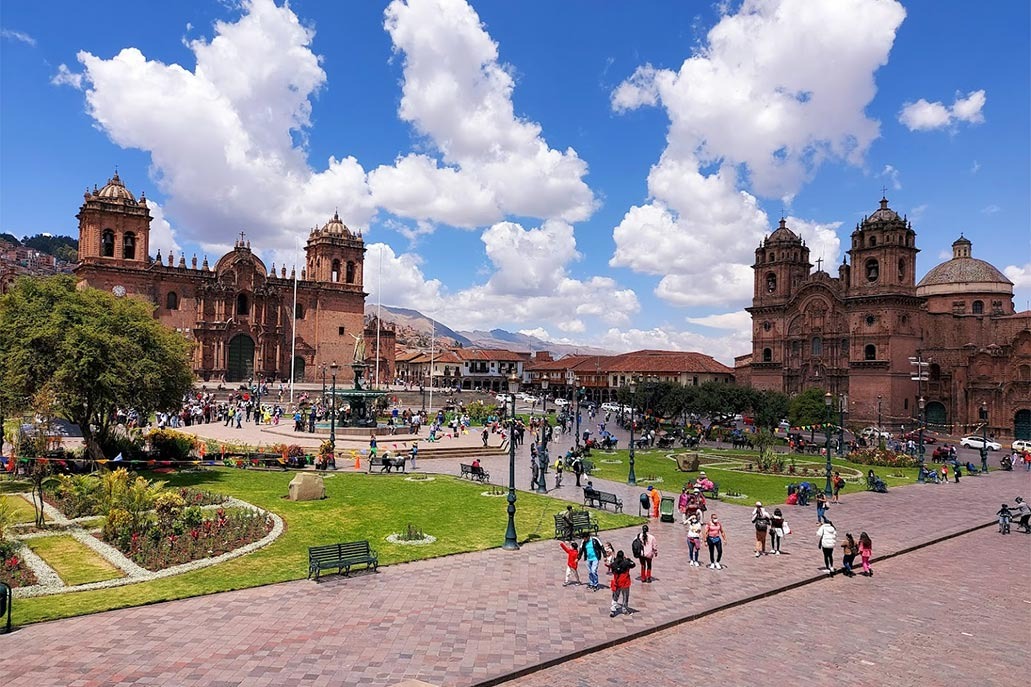
Cusco is located up within the Peruvian Andes, at an altitude of 3,399m (11,152ft) - which ranks Cusco amongst the highest elevated cities in all of Peru along with Puno and Huaraz. When walking around the city, the changes in altitude here can usually be felt lightly. While any altitudes much higher up are rarely hospitable, Cusco is a thriving city both for locals and travelers alike - and as a result remains a major hub for tourism, and also for trading given its ease of access to both the Amazon Rainforest and coastal regions of Peru.
Is Altitude Sickness A Common Issue In Cusco?
It’s important to know that altitude sickness affects everyone differently, so it’s impossible to say if one individual may get symptoms, while another will be completely fine. However, generally most travelers that visit Cusco are usually fine or only have a couple of light symptoms that are easily manageable and treatable. On the other hand, moderate or severe altitude sickness symptoms in Cusco are very rare, and usually come down to either ignoring proper preparation - or pushing things too quickly during their trip.
Altitude sickness is most common for tourists during their first 48 hours when they arrive into Cusco, as it usually takes this amount of time for the body to properly acclimate. Again, it’s crucial to know that preventing altitude sickness is mostly in our hands before we visit Cusco, and especially if we follow sound advice and proper protocols before we visit. Later in this article we’ll explore exactly how you can prevent altitude sickness in Cusco, as well as how to quickly manage and get rid of any light symptoms if you do get them during your vacation here.
While on this topic, it’s worth mentioning that while light altitude sickness symptoms can be common in Cusco, there is very little risk in getting altitude sickness in Machu Picchu given its lower elevation - making it ideal to visit these ruins immediately upon arrival in Cusco.
Understanding How The Cusco Altitude Affects The Body And Typical Symptoms
Human bodies need adequate supplies of oxygen in the surrounding air to function at their optimal, which is the case at sea-level and low-altitude destinations around the world. However, as we begin to increase in altitude, oxygen slowly becomes more and more scarce - meaning our bodies need to start working slightly harder in order to carry out the same processes. No changes are usually felt between 0 - 2,500m in altitude (0-8,202ft) - however between 2.500-3,500m (8,202-11,482ft) we can generally feel some slight changes (which is within Cusco’s range of 3399m / 11,151ft).
Light altitude sickness symptoms are the most likely for tourists visiting Cusco, and include headaches, nausea and light fatigue - which are also the easiest to prevent and treat. More serious altitude sickness symptoms are much rarer, and include sickness and vomiting, as well as dizziness and shortness of breath. In the case of getting these symptoms, it is easy to get medical treatment in Cusco.
Important Note: To this day, scientists and researchers alike are still unsure exactly who is more predisposed to getting altitude sickness over another - where even fitness and general health doesn’t seem to have a strict correlation. For this reason it’s even more important that everyone follows altitude preparation tips regardless how confident they feel before their visit.
How To Prevent Altitude Sickness In Cusco Before And During Your Trip
Preventing altitude sickness in Cusco is much easier than you think. Below we’ll now explore some of the very best strategies and methods that you can use both before and during your trip.
Gradually Increase Your Altitude In Peru Before Visiting Cusco
Earlier we explored exactly what happens to the human body as we ascend rapidly in altitude, given oxygen is less readily available in the air. Gradual acclimatization is key to avoid getting altitude sickness, where you slowly increase in altitude in order to avoid any rapid changes once you arrive in Cusco. You can do this in Peru by spending time in other destinations like Arequipa (2,335m / 7,660ft) and Ollantaytambo (2,792m / 9,160ft) before heading directly to Cusco - which is more gentle on the body as you begin adjusting. Here at The Luxury Peru Travel Company our travel experts will fully tailor your Peru vacation so you can safely and comfortably enjoy your trip in style without worrying about getting ill from the altitude.
Take Altitude Sickness Medications
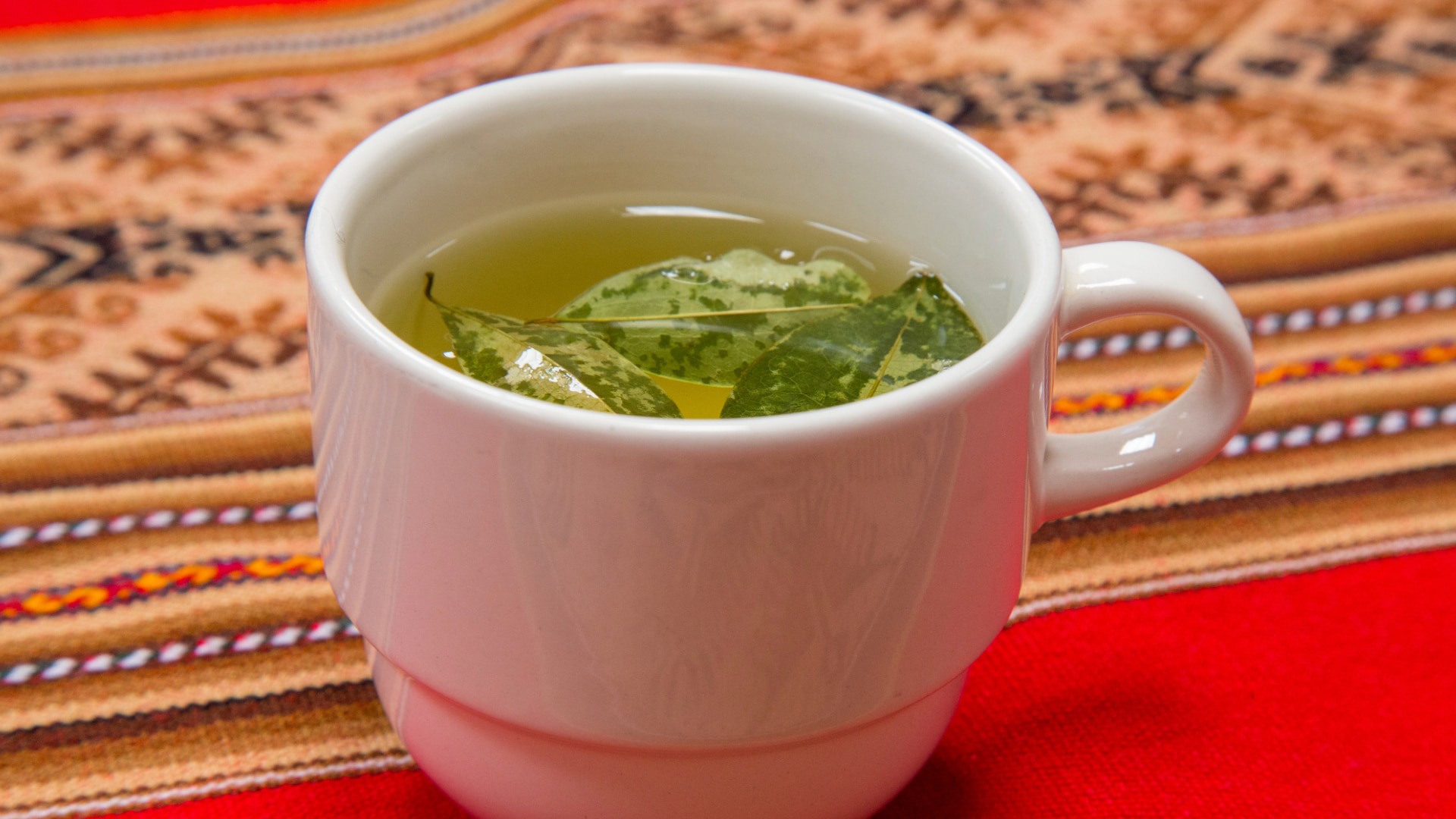
Perhaps the overall most effective strategy for preventing altitude sickness, medications are widely available both inside and outside of Peru. Back home, your doctor can prescribe medications like Diamox which are perfect when visiting high altitude destinations. Inside Peru, Coca Leaf teas are an ancient local practice which also helps prevent symptoms from arising, while local medications like Soroche pills contain many natural ingredients that prevent altitude sickness - and can easily be bought in any local pharmacy in Cusco.
Keep Activities Very Light During Your First 48 Hours In Cusco
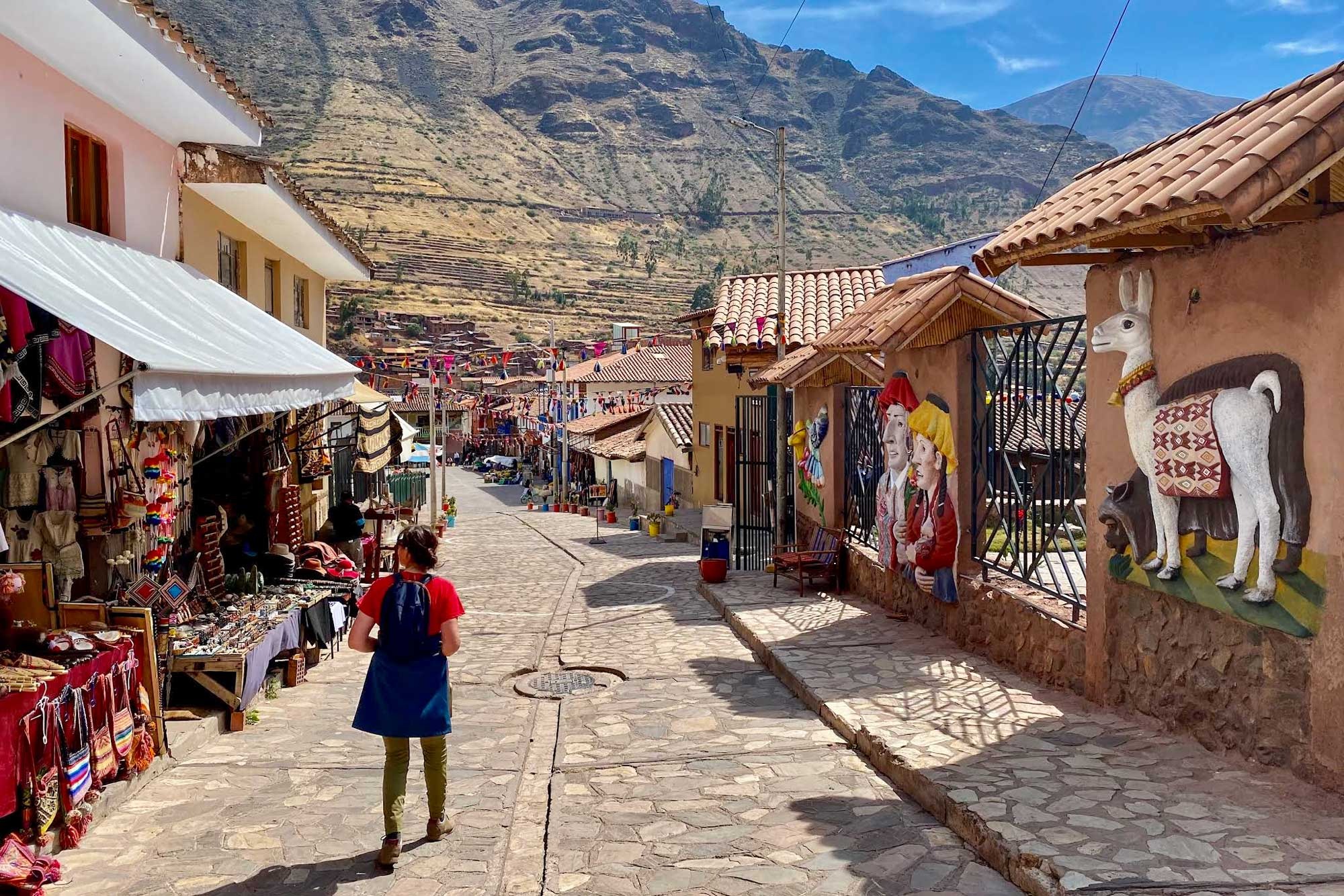
During the first two days in Cusco, your body will be working hard to adapt to the new environment - so it makes sense not to overwork and place too much stress on your system. For this reason it’s best to leave strenuous day hikes and trips until day three once you’re properly acclimated. We personally suggest using your first two days to explore the city of Cusco, including the ruins of Saqsayhuaman, the Cristo Blanco Statue, as well as destinations within the Sacred Valley like Ollantaytambo and the historical town of Pisac which are at lower elevations.
Drink Lots Of Water And Avoid Alcohol During The First 48 Hours
Both the quantity and choice of fluids you drink can also affect how well your body adapts to being in high altitude destinations like Cusco. Drinking plenty of water daily is important to keep your body working at its optimal - and also to prevent dehydration since the daytime sun can get quite warm up in the Peruvian Andes. Avoiding alcohol is recommended for the first 48 hours as it’s a diuretic - which increases the chance of getting altitude sickness and can intensify symptoms.
Stay In An Oxygenated Hotel Room
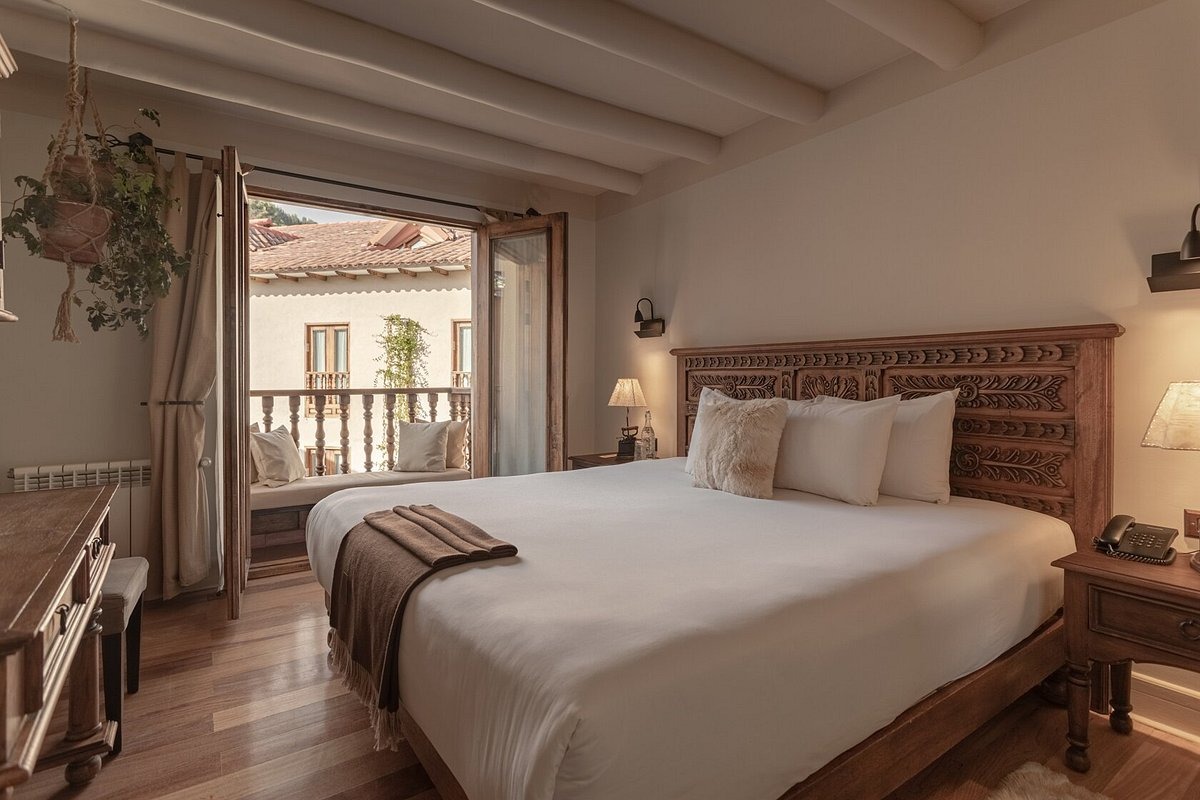
One of the best ways to prevent altitude sickness is to stay in a luxury Cusco hotel that includes oxygenated rooms, which are designed to help your body acclimate comfortably as soon as you arrive into Cusco. This way you won’t have to worry about getting altitude sickness while exploring the city and surrounding Andes, and can instead focus on enjoying your travels. Certain hotels like the Palacio Nazarenas by Belmond and the JW Marriott El Convento provide such features, and are ideal choices overall given they also have other premium features such as swimming pools, on-site spas and more.
Optional: Visit A Cusco Altitude Specialist Or Oxygen Chamber
If you are still worried about potentially getting any altitude sickness symptoms during your time in Cusco, then it’s reassuring to know that there are many specialists and advanced prevention treatments that can easily be arranged during your time in the city. Such treatments include spending time within a pressurized chamber with 100% oxygen, which helps make adaptation smoother and reduce any lingering symptoms. When booking your Cusco vacation with us, we can easily organise an oxygen chamber treatment or a visit with trusted specialists if you feel the need during your trip.
Managing And Getting Rid Of Altitude Sickness Symptoms
Although chances are very slim, there’s still a small possibility you could get light altitude sickness symptoms even when following prevention strategies. The below methods help to manage any symptoms you have, and get your body back up to its optimal state during your time in Cusco.
- Stay Well Hydrated And Eat Well - Drinking plenty of fluids is essential for your body to continue carrying out its natural processes. Eating potassium-rich foods (bananas, sweet potatoes, avocados) and complex carbohydrates (whole grains) also provide much needed minerals and sources of energy.
- Rest Properly - While your body is doing its best to acclimate, it’s important to reduce any stresses where possible. During this time you’ll want to avoid heading on strenuous hikes, and instead stick to very gentle and easy activities, such as spending time in a spa or visiting a cacao workshop in the city.
- Visit An Oxygen Chamber - We discussed this already as a way of preventing altitude sickness, however it’s also a great way of managing more moderate symptoms. By temporarily creating a 100% oxygen-rich environment, your body immediately gets relief, and directly counteracts any issues caused by the altitude.
- Get Over-The-Counter Relief - As already mentioned, medications like Diamox (if cleared by your doctor) are perfect for preventing and managing altitude sickness. Taking Ibuprofen is ideal for managing headache symptoms, while herbs like Ginger help to ease any nausea symptoms if these are affecting you.
- Temporarily Lower Your Elevation - Many nearby destinations within the Sacred Valley are located at much lower elevations, allowing for more comfort and easier acclimatization as you manage your symptoms. This includes Aguas Calientes (2040m), Ollantaytambo (2792m) and Pisac (2972m).
Frequently Asked Questions Regarding Cusco’s Altitude
Below we’ll now answer some of the frequent questions we get about Cusco’s altitude, how to prepare for a trip here, as well as anything else important that you need to know.
How Long Does It Take To Adjust To Cusco Altitude?
This really depends on each individual as our bodies are all different, however generally it takes between 2-3 days to adjust to Cusco’s high altitude. There are certain things we can do to help our bodies while acclimating, such as drinking lots of water, avoiding alcohol and keeping activities light during the first 48 hours - all of which help to reduce the chances of getting any altitude sickness symptoms.
Is Cusco Higher Than Machu Picchu?
Yes, Cusco sits up at a much higher altitude than the ancient ruins of Machu Picchu. Cusco is located at an elevation of 3,399m (11,152ft), right within the Andean highlands, while Machu Picchu is located at a lower altitude of 2,430m (7,972ft) within the high Amazon Rainforest. Given Machu Picchu is much lower, it’s actually ideal to visit the ruins first as you acclimate - before heading back up to Cusco as you continue your vacation.
How Do You Avoid Altitude Sickness In Cusco?
The best way to avoid altitude sickness in Cusco is to gently increase your elevation from sea-level, by visiting mid-level destinations like the Sacred Valley and Arequipa along the way. If flying directly from Lima, then drinking Coca Leaf teas and / or taking medications like Diamox are best - while other key tips like resting properly during your first two days, drinking lots of water and avoiding alcohol are all also recommended.
Overview Of The Cusco Altitude And How To Prepare Properly For Your Trip
And that’s all for this guide on Cusco’s altitude and what to expect during your trip here.
Located high up within Peru’s Andean mountains, Cusco’s altitude has become a common topic of concern among tourists who are worried of getting symptoms during their visit. However, as we have covered in this article, avoiding altitude sickness in Cusco is simple once we understand why it happens - and also by following key preparation and management strategies.
Still concerned about getting altitude sickness during your trip to Peru? Here at The Luxury Peru Travel Company, we have decades of experience tailoring Peru vacations - where our expert team can help create your dream Peru itinerary which maximises both luxury and comfort - while reducing the chances of getting altitude sickness during your vacation.
