


6 Of The Most Intriguing Peru Ruins To Explore
Peru has a fascinating history that spans over 5000 years, with many ancient Peru ruins left behind from mysterious predecessors.
We all know about Machu Picchu and the fact it was the Inca’s crowning jewel - however did you know they had to hollow out an entire mountain to build it? How about that the ingenuity of certain ruins eclipsed anything possible during their times - such as the two-ton boulders of Sacsayhuamán moved by hand, or the environmental psychology of Chavín de Huántar that disoriented anyone who walked inside its dark temple tunnels?
In this fascinating article we’ll explore 6 of the most mysterious ancient Peru ruins, where they are located, and what made them such incredible feats of mankind. We’ll also show why today it’s easier than you think to visit these incredible ruins during your own vacation around Peru.
6 Incredible Peru Ruins You Must Visit On Your Next Trip
From elaborate structures built by the Inca, to lost ancient pyramids found in the upper Amazon Rainforest - let’s now explore the most intriguing Peru ruins in no particular order.
Caral (Supe, The Pacific Coast)
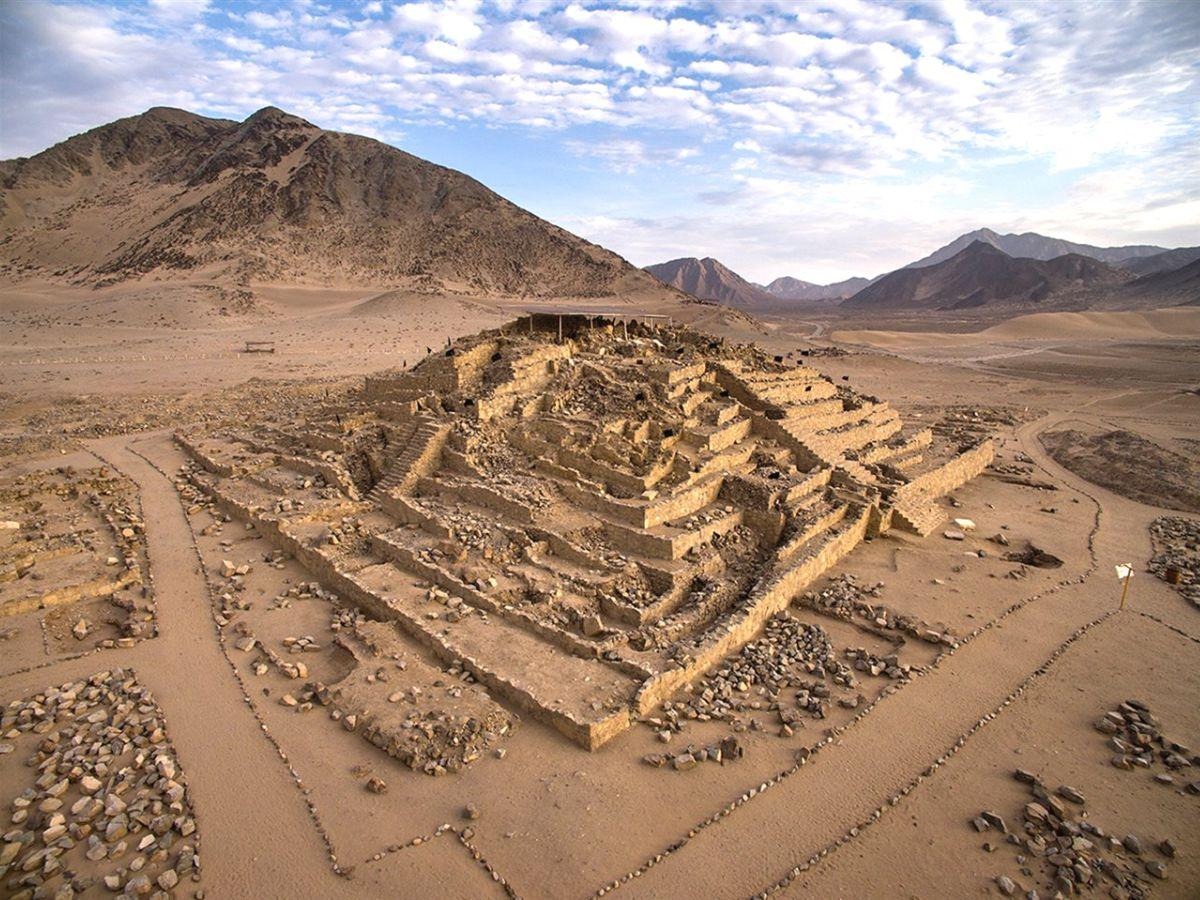
First we begin with an unusual location for an ancient citadel in Peru. Caral Ruins are situated within the scorching desert of the Supe Valley, which is roughly 4 hours north of Lima. Known as the oldest human-made settlement in the entire Americas, Caral was built over 5000 years ago by the Norte Chico civilization - and once served as the beating heart of this coastal empire. A culture dependent on fishing in the nearby ocean, here they once traded fish and cotton with other tribes for crops found further inland, and built a complex city with plazas, pyramids and quipu record systems without metals tools or pottery.
Why It’s Intriguing: For its status as the oldest civilization-built ruins in the entire Americas.
How To Visit: Located four hours north of Lima, you can visit Caral with a private guided day tour.
Chavín de Huántar (Huaraz, The Andes)
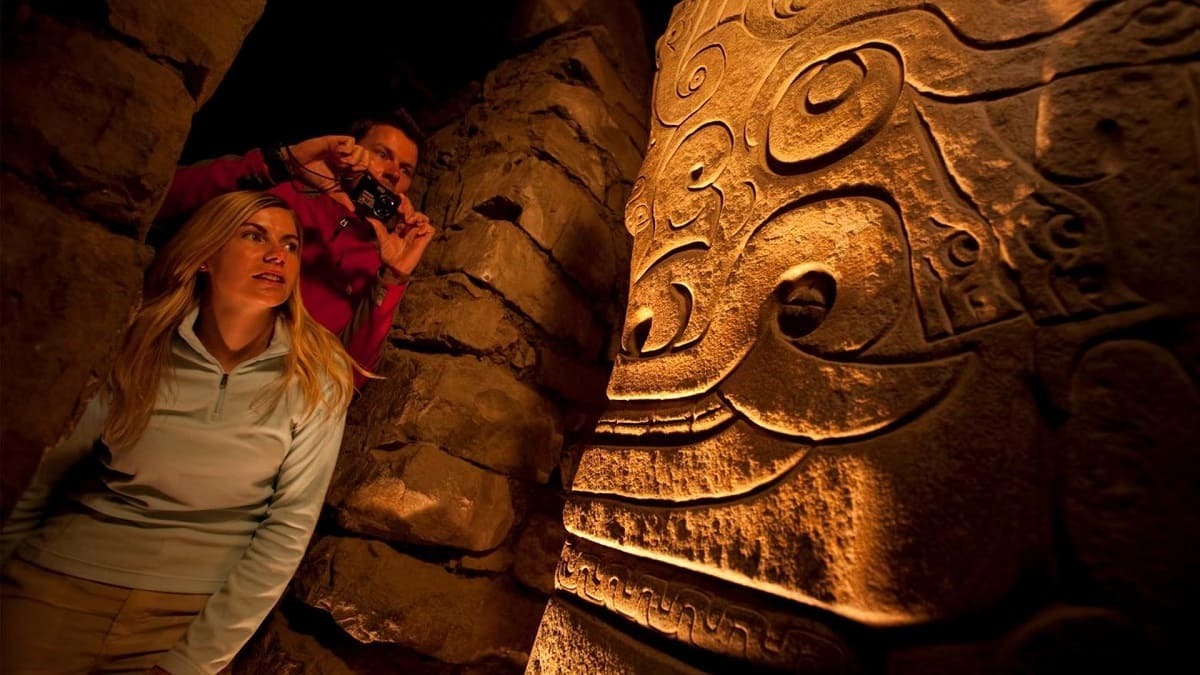
Appreciating sprawling pyramids and temples from afar is the norm in Peru, but some temples allow us to explore deep inside its vast underground passages. Chavín de Huántar is one of these, which is located within the high snowy Andes near Huaraz. First constructed by the Chavín culture back in 1200 BCE, its fascinating architectural design included animal heads carved out of stone, along with manipulated acoustics that mimic animal roars and growls. It also served as a major spiritual center where sacrifices and shamanistic rituals took place, where other tribes often travelled great distances to consult its oracle.
Why It’s Intriguing: For its extreme rituals and psychologically-warping design.
How To Visit: Chavín de Huántar is located close to a mountain pass some two hours from Huaraz, and can be visited with a private tour or independently.
Kuelap (Chachapoyas, The High Amazon Jungle)
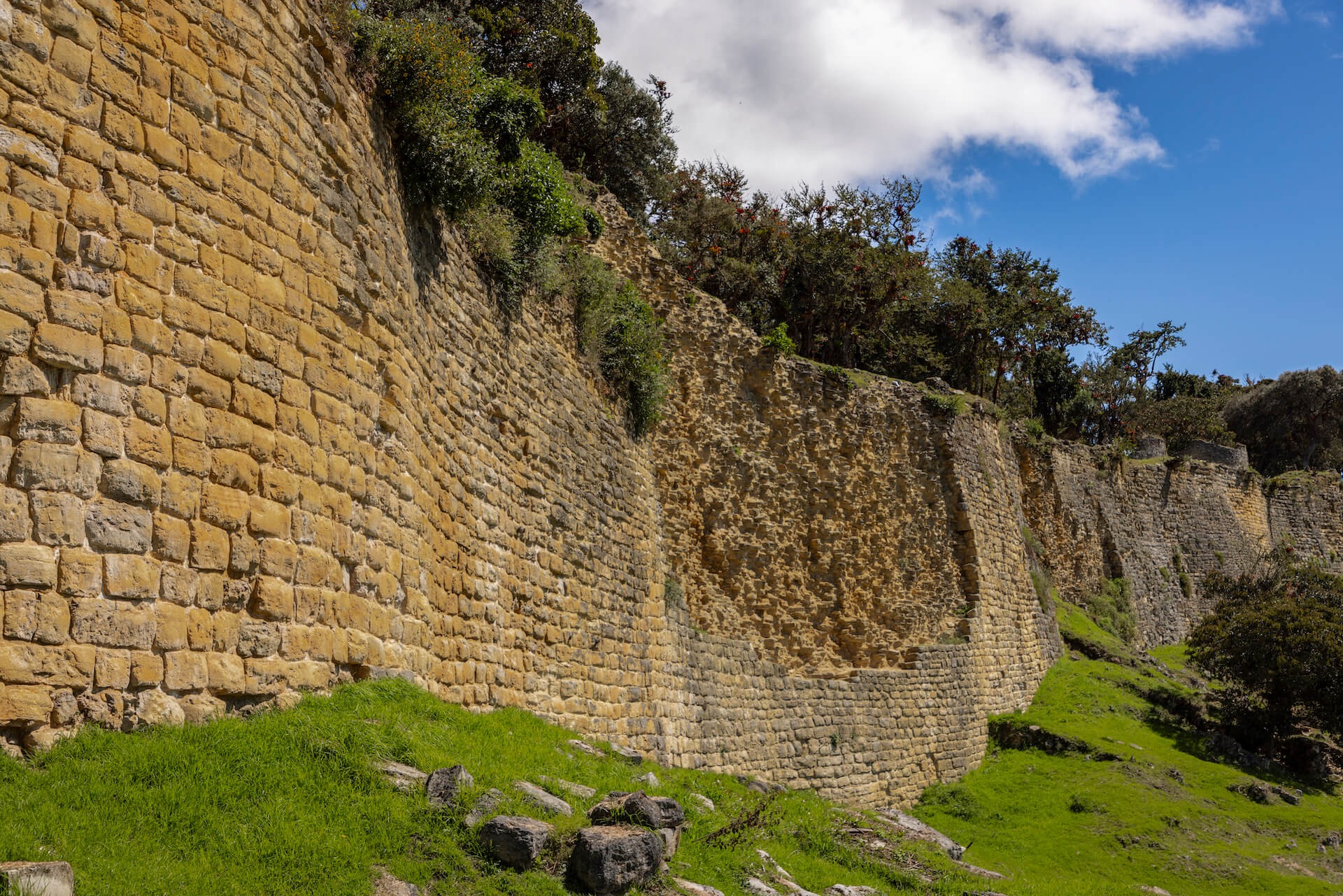
Hidden between the Amazon Rainforest and upper Andes, Kuelap is one of Peru’s lesser-known ancient sites. Built by the Chachapoyas culture around the 6th century, this vast stone fortress sits high on top of a mountain - with massive defensive walls and strategic entrances - meaning that Kuelap was designed purely for protection, rather than nobility or spiritual significance. Known as the Warriors of the Clouds, the Chachapoyas culture took advantage of its elevation and strategic jungle positioning, making it one of the most difficult strongholds in all the Andes - where it took the Inca around 500 years to conquer the site.
Why It’s Intriguing: For its isolated Andean community that famously fought off the Inca for centuries.
How To Visit: Chachapoyas is located in the north of Peru, often visited after Tarapoto. Kuelap Ruins itself is located two hours south of Chachapoyas and can be explored both independently or with a private tour.
Vilcabamba (Cusco, The High Amazon Jungle)
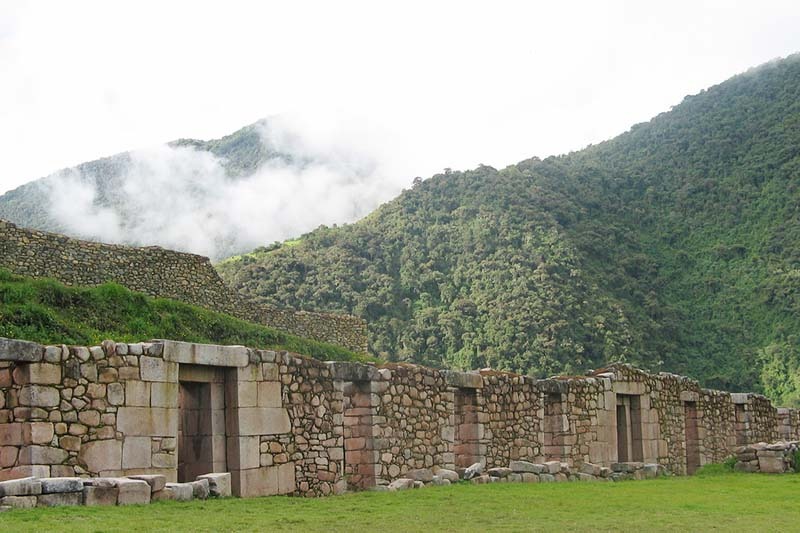
After the fall of Cusco, many believed that the Spanish Empire had completely eradicated the Inca. However this is not true - they simply retreated. Hidden deep within the jungle valleys lies Vilcabamba, the last capital of the Inca Empire which remained entirely elusive to the conquistadores. Here exiled Inca rulers governed for decades, allowing them to maintain their cultural traditions, political structures and resistance against Spanish forces. Vilcabamba would later become a major symbol of endurance and defiance at the very end of imperial rule.
Why It’s Intriguing: For its on-going legacy where the Inca survived the Spanish Invasion.
How To Visit: Vilcabamba lies approximately 7 hours from Cusco, accessed by a combination of road travel and guided jungle excursions.
Sacsayhuamán (Cusco, The Andes)
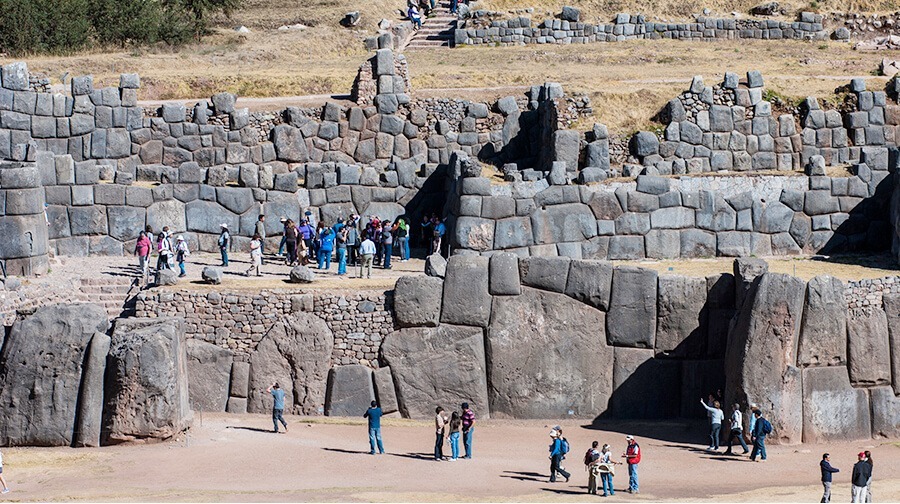
Overlooking the former Inca capital of Cusco, Sacsayhuamán remains one of the most impressive examples of ancient stone engineering on our planet. Giant limestone boulders that weigh as much as 100 tonnes line its walls, which were cut and fitted together with extreme precision - using no mortar or lifting tools. Despite centuries of earthquakes the site has stood strong, demonstrating the Inca’s extraordinary understanding and capabilities of weight distribution, seismic resistance and fine craftsmanship.
Why It’s Intriguing: For its architectural design that defied gravity and common tools.
How To Visit: Reaching Sacsayhuamán is very simple, and is just a 15 minute taxi ride from Cusco’s central Plaza de Armas.
Machu Picchu (Sacred Valley, The High Amazon Jungle)
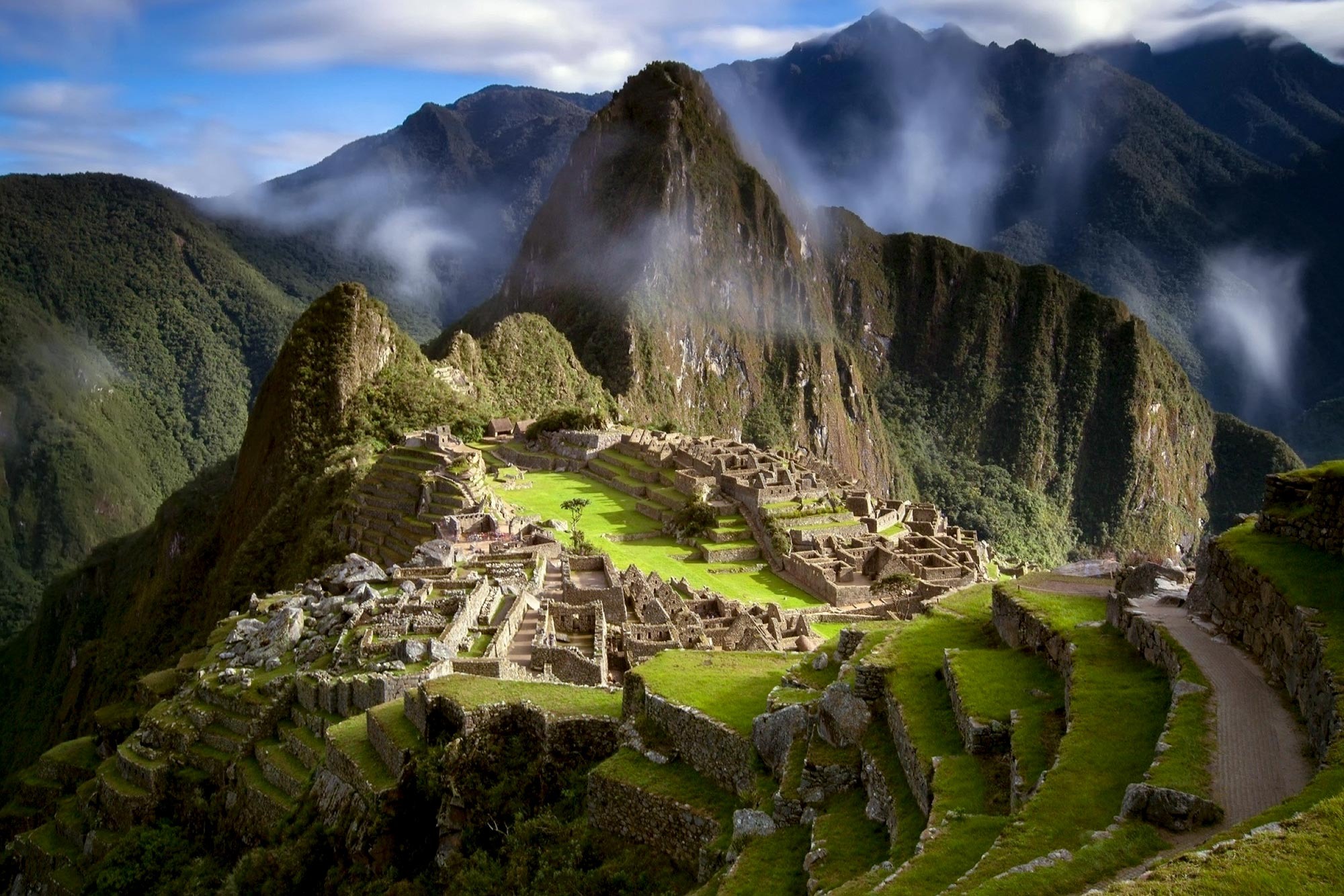
Perhaps the most famous ruins in all of the Americas, Machu Picchu is known for its magnificent citadel and panoramic vistas. However its greatest secrets actually lie underneath the sacred site, where the Inca reshaped an entire mountain in order to create the foundations for this complex site - along with carved terraces and advanced drainage systems. This advanced engineering allowed Machu Picchu to withstand both heavy rains and seismic activity, and also transform a remote ridge into one of Peru’s most iconic, ancient architectural feats.
How To Visit: Travelers can easily visit Machu Picchu from Cusco using a variety of train services, with the journey taking roughly 3-4 hours.
Why It’s Intriguing: For its mega landscape removals and mountain extractions.
Overview Of The Most Fascinating Peru Ruins
And that’s all for this article on the most fascinating Peru ruins, and why each one still puzzles and impresses both researchers and tourists alike to this day.
No matter the hot deserts of the Pacific Coast, the freezing Andes highlands, or deep remoteness within the Amazon Rainforest - ancient civilizations in Peru have proven time and time again that they were able to flourish regardless of hostile conditions and impossible geographies. And not only are the temples and structures themselves worth visiting in-person, the history and devotion to each ancient site is what makes each one truly special.
Would you like to visit these incredible ancient Peru ruins during your vacation? Here at The Luxury Travel Company we craft fully tailored Peru packages along with the most experienced guides - ensuring both maximum comfort as well as an unforgettable trip through Peru.
