


Fascinating, Ancient Peru Traditions Still Alive Today
Did you know that thousand-year old Peru traditions still lead and shape the country as we know it today?
One of the oldest countries in all of the Western Hemisphere, human civilizations have been recorded for over 5000 years here - from the first settlers of the Norte Chico culture, to the mighty Inca who once ruled the majority of South America. Many of their ancient traditions and ways have stood the test of time and continue to thrive despite political and societal changes - and when travelling around Peru we can see just how deeply embedded they are in the local cultures.
In this guide, we’ll explore some of the most fascinating ancient Peru traditions that still live on today in this modern era. As well as looking at how and where we can experience them during our own vacations around Peru, we’ll also answer your most frequently asked questions in our FAQ section.
Fascinating Peru Traditions That Are Still Alive Today
The Sacred Role Of Coca Leaves
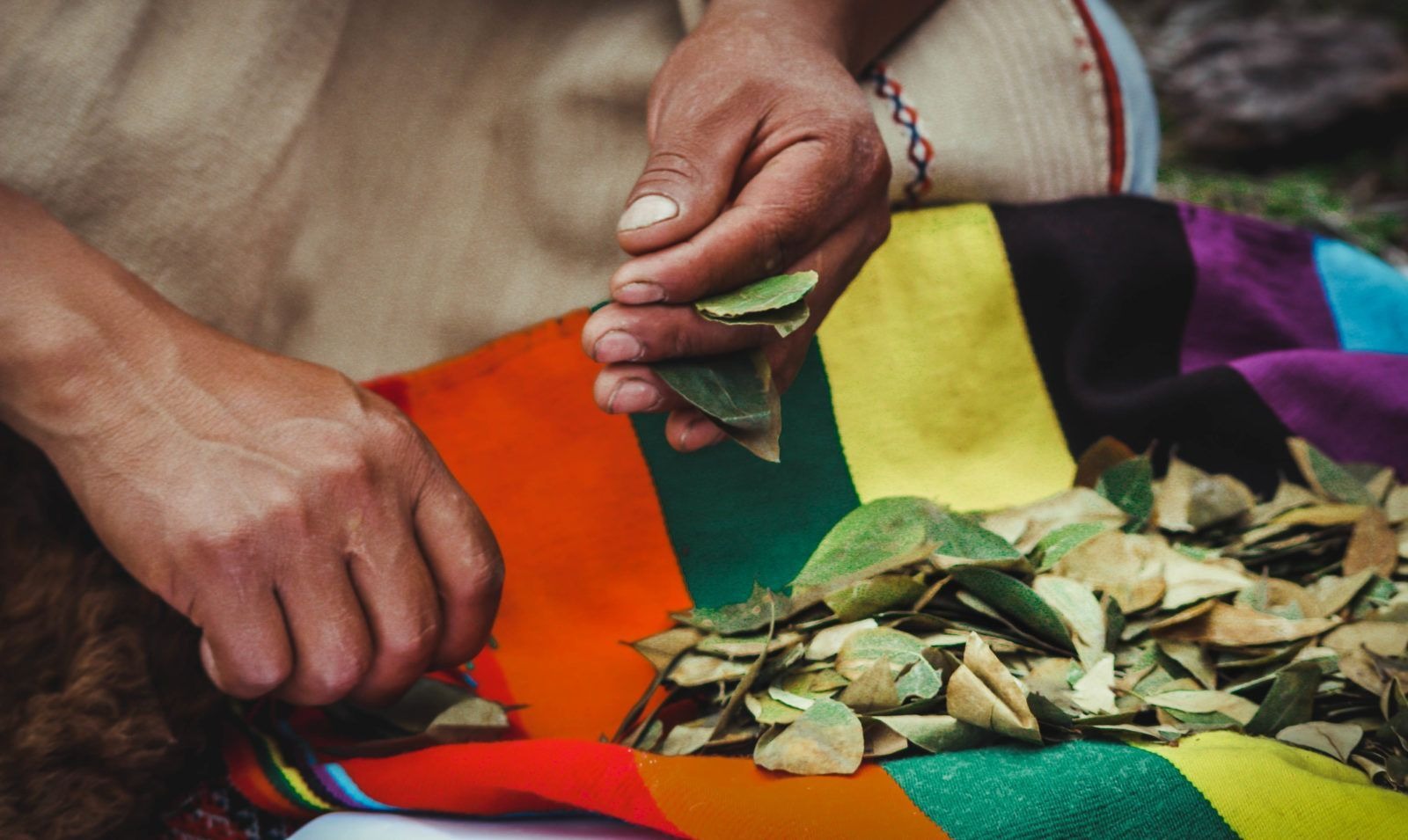
Coca Leaves are perhaps one of the most infamous natural products found here in Peru, especially in terms of how they are perceived internationally. To the outside world, it’s known to be the main ingredient in cocaine - however here in Peru, Coca Leaves play a much deeper and holistic cultural role.
For thousands of years, Andean healers have been using these leaves for symbolic readings and prayers, which still occurs today throughout the Cusco and Sacred Valley regions. They also provide an important natural defence against altitude sickness in these regions, and can either be drunk in teas or chewed to provide extra energy.
What To Keep An Eye Out For: When you head to Cusco and the Sacred Valley, you’ll see Coca Leaf Teas offered in virtually every hotel or apartment - and are both a safe and useful way of acclimating to the higher altitudes.
Ceremonial Blessings For Life’s Major Milestones
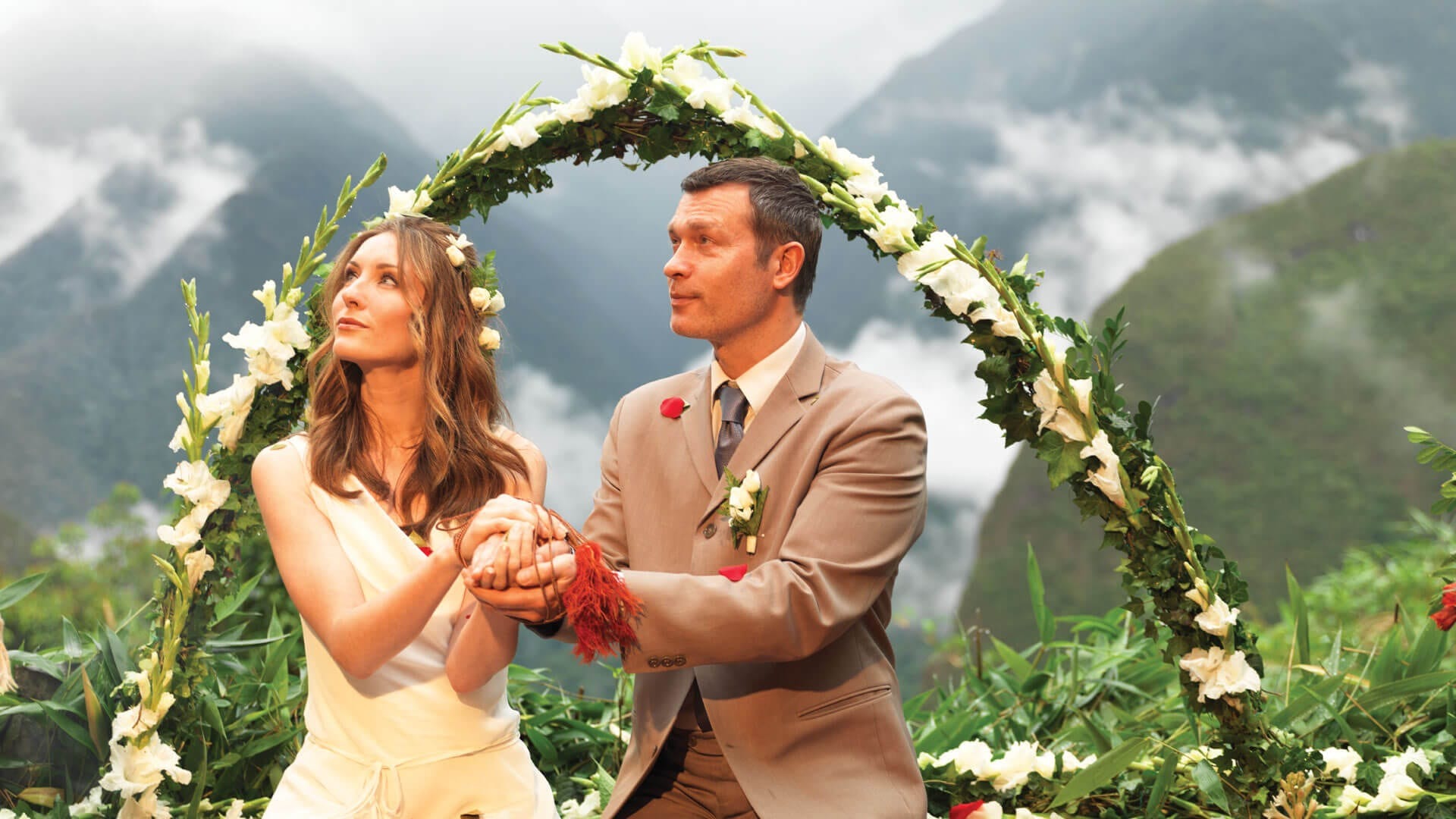
Throughout the towering Andes and lower-lying regions of Peru, ceremonial blessings and traditions have been passed down and celebrated for hundreds of generations. Believed to offer protection and balance, they are often reserved for the most special events and major life milestones.
This includes births, marriages, new homes, and the start of any other new journey in life. These rituals are privately performed in a quiet nature and are rooted in gratitude - reinforcing the belief that nothing significant should begin without respect or acknowledgment of the earth and our ancestors.
What To Keep An Eye Out For: Ancient ceremonial blessings are becoming more and more popular for tourists who are getting married in Peru or will celebrate their honeymoon here. If this is part of your plan, get in touch with us where we can help create your dream honeymoon or marriage vacation.
How Andean Time Is Viewed As Cyclical, Not Linear
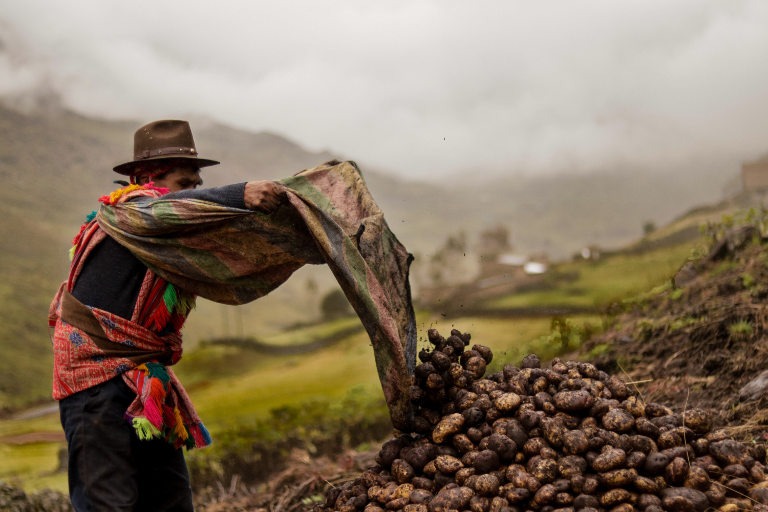
In most parts of the world we understand time to be linear with a clear direction forwards. However in Andean culture, time is traditionally understood to be cyclical - guided by seasons, lunar phases and natural rhythms, rather than by deadlines and rigid schedules.
This worldview has ancient roots in many pre-Inca cultures, however still plays an important role in many Andean communities to this day. Progress is seen as a recurring series of growth, rest and renewal - and reinforces the local belief that balance and progress come from moving together with nature, instead of trying to control it.
What To Keep An Eye Out For: For tourists who often travel on tightly-packed itineraries, this change in perspective up in the Andes can be deeply grounding - and allow you to feel more present and connected with Peru during your vacation.
Ancient Inca Architecture Still Used Across Peru
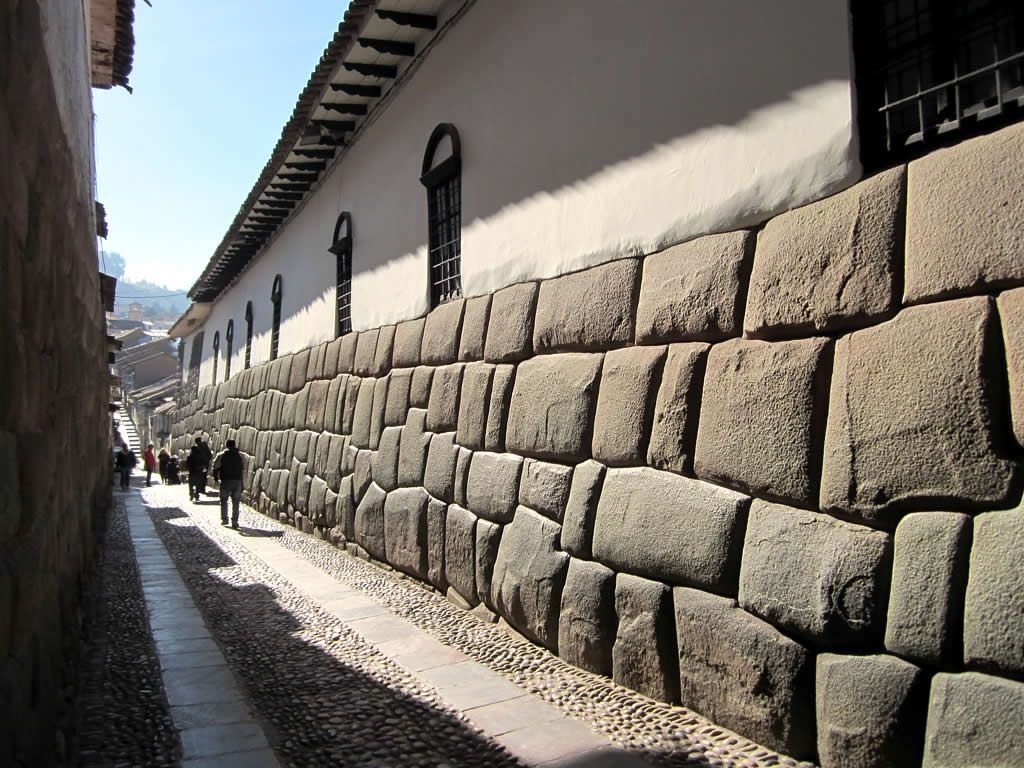
One of the most fascinating visual aspects for tourists exploring Peru is the diverse range of incredible ruins left behind. This includes Inca creations such as the mighty Machu Picchu ruins as well as the circular ruins of Moray - however some of these remarkable creations still play a crucial role today in everyday life for certain regions of Peru.
In Cusco’s historic center, Inca foundations still support many important pedestrian streets and temples - and are often just a short walk from your hotel. This includes the Twelve Angled Stone which provides immense structural support against earthquakes, as well as the ancient Qorikancha temple foundations that lie beneath the Spanish-built Santo Domingo Convent.
What To Keep An Eye Out For: As well as walking around Cusco to see how these Inca creations support modern life - be sure to head out into the Sacred Valley to see ancient aqueduct systems along the streets of Pisac and Ollantaytambo.
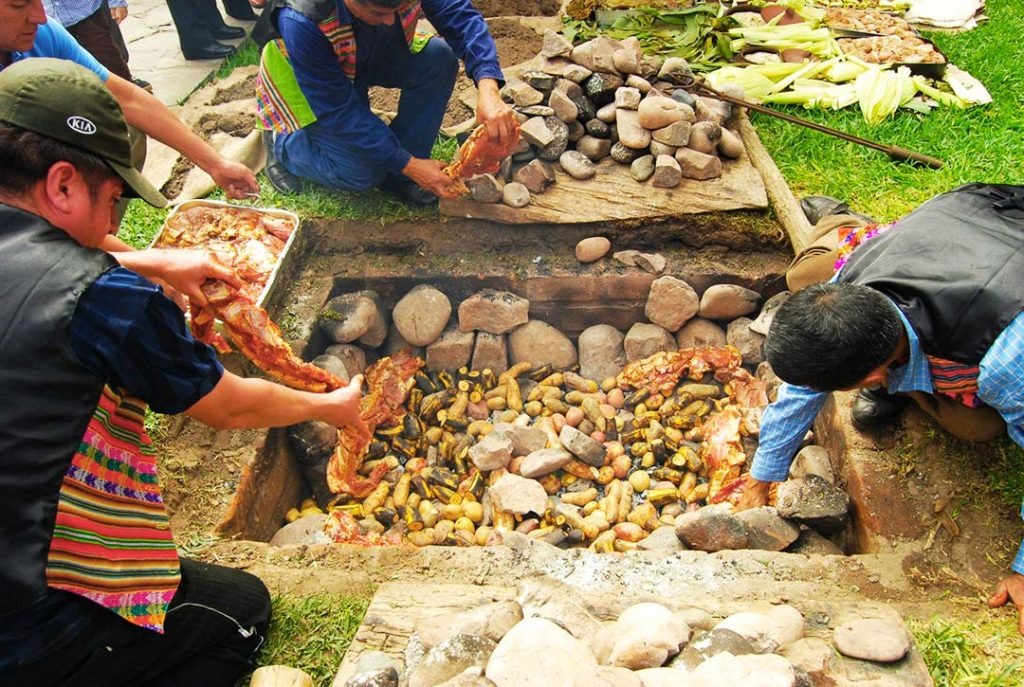
The Underground Cooking Of The Pachamanca Dish
Peru’s cuisine is vast, and in recent years some of its very top contemporary restaurants like Central and Maido have won prestigious global awards. However, certain native dishes such as Pachamanca stretch back several thousands of years - and continue to be enjoyed as major staples throughout the country to this day.
The name of Pachamanca itself translates loosely as “earth pot”, where a combination of meats, vegetables, herbs and spices are slowly cooked together underneath the earth using heated stones. While it seems that a different taste is the main objective of this cooking method, cultural traditions extend much deeper - and signifies a communal ritual where gratitude and sharing take priority over convenience.
What To Keep An Eye Out For: Pachamanca is often prepared during special occasions and on Sundays, however many restaurants around Cusco and the Sacred Valley often serve this dish daily for locals and tourists alike.
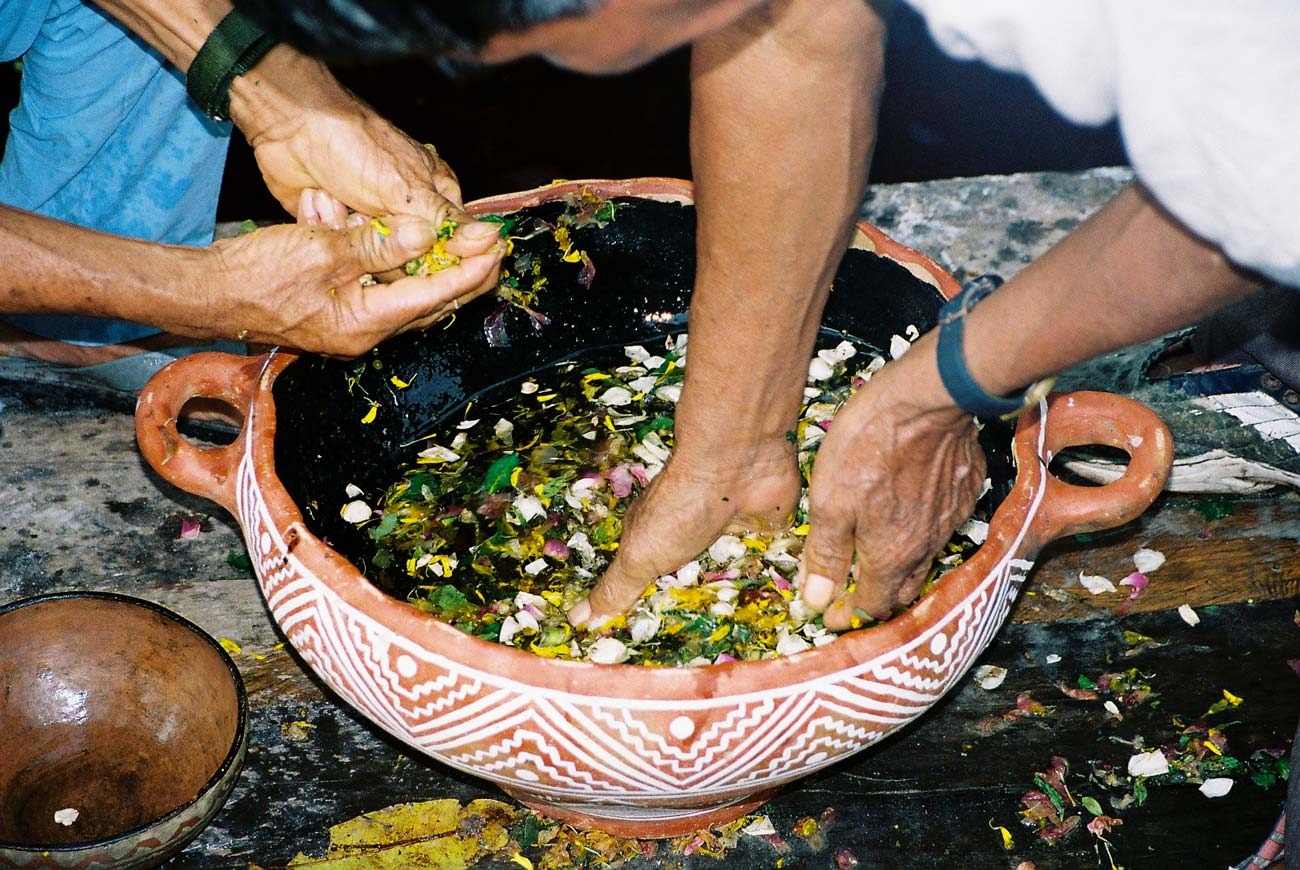
Ancient Shamanic Healing Traditions Still Practiced Today
Throughout the Amazonian and Andean regions of Peru, shamanic healing traditions have been discreetly passed down and kept hidden for centuries. Only in recent times are curanderos and healers being consulted by both non-locals and tourists, and treatments are often now being used alongside modern medicine.
These practices draw on deep ancestral knowledge of energy rituals, medicinal plants and wisdom, and can have many physical and emotional benefits. Ayahuasca is perhaps the most famous which is native to the Amazon Rainforest - although much lighter treatments and remedies such as a Coca Leaf ceremony are found all around the Sacred Valley region.
What To Keep An Eye Out For: Local healing traditions are usually consulted and organised directly with curanderos, and often take place in private lodges and healing centres far away from the more touristy zones of Peru.
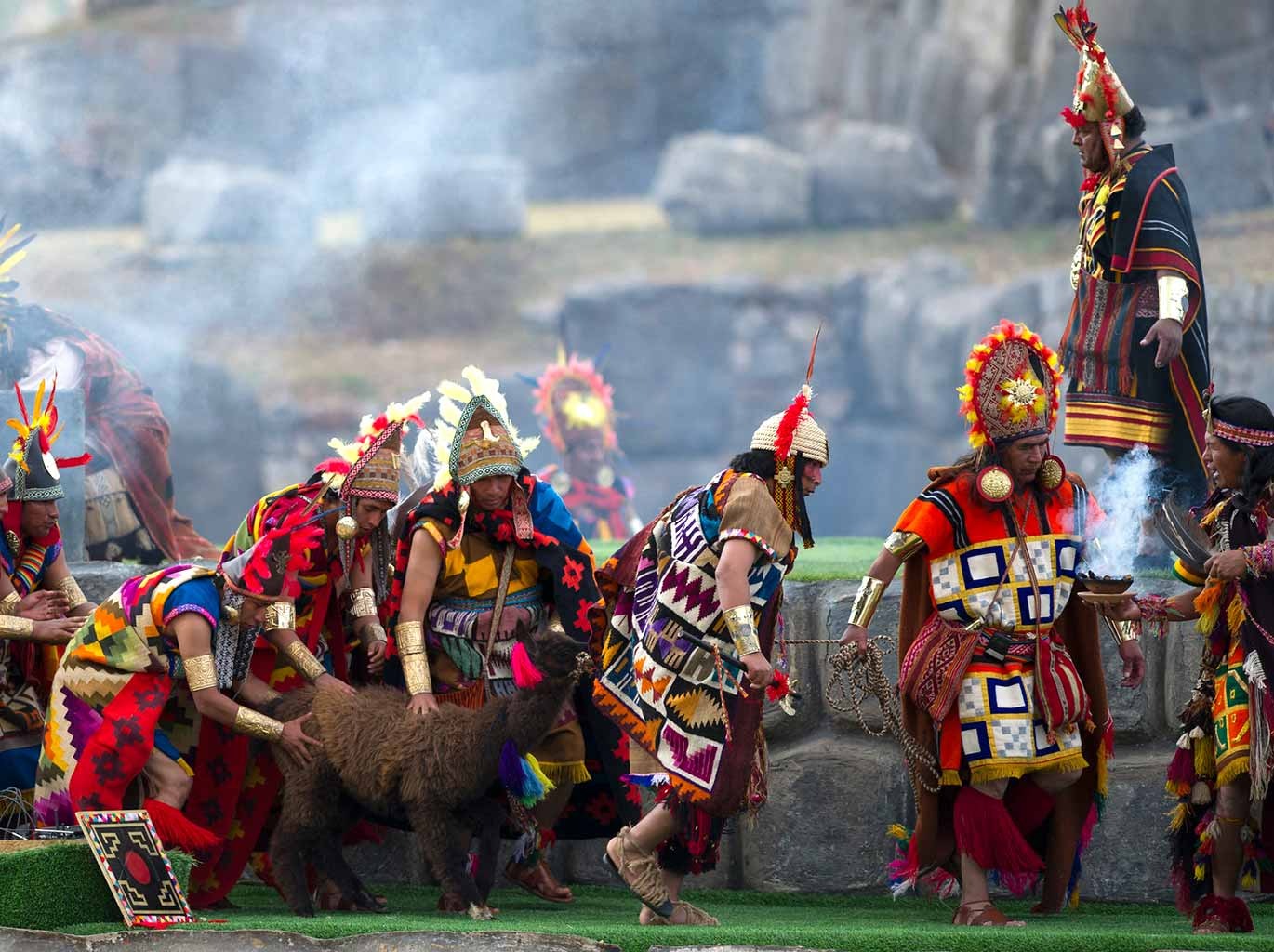
The Annual Inti Raymi Festival
Held every June 24th in Cusco during the winter solstice, Inti Raymi is one of Peru’s most important cultural festivals. Celebrating the Inca civilization which once ruled the majority of Peru and South America, it’s common to see giant parades, ancient re-enactments and local dances and music throughout the day.
However, its complicated history is even more intriguing. Inti Raymi’s origins stretch back several hundreds of years before the Spanish arrival, and was later outlawed during the invasion. Despite pressures to conform, members of the Inca who retreated continued to keep the tradition alive - and when Peru regained its independence, Inti Raymi and its deep cultural importance regained its public celebrations in Cusco.
What To Keep An Eye Out For: If you’re lucky enough to be in Cusco during the 24th June, you can enjoy Inca re-enactments in ruins like Sacsayhuamán - as well as see solar symbolism and local traditions in various rural settlements.
Frequently Asked Questions Regarding Peru Traditions
Below we’ll now answer some of the frequent questions we get about Peru traditions and ancient customs, as well as anything else important that you need to know.
What Are Some Traditional Celebrations In Peru?
There are hundreds if not thousands of important traditional celebrations all throughout Peru - however Inti Raymi is perhaps the biggest of them all. Celebrated on the 24th June each year, it marks the day of the winter solstice, and was famously outlawed during the Spanish Conquest - only to survive and flourish once Peru regained its independence. Each year in Cusco, we can experience giant parades, festivities, and ancient Inca reenactments during this long-awaited day.
What Is Important To Peruvian Culture?
Peruvian culture is very unique in that it not only merges many kinds of ancient practices along with more modern ways - but also varies heavily by region too. Musical expression and ancestral dances are very important in many Andean regions such as Cusco and around the giant Lake Titicaca, while a rich variety of local cuisine and modern development are a main focus for those living in the heart of Lima.
What Are Five Cultural Facts About Peru?
- The ancient language of Quechua remains a widespread spoken language throughout the Peruvian Andes.
- Coca Leaves are used daily for both spiritual purposes as well as altitude-related benefits.
- Peru is the birthplace of the potato - and over 3000 varieties can be found throughout the country.
- A melting pot of culture, Peru combines indigenous, Asian and European influences throughout its different regions.
- Peru is still predominantly a Catholic country, and religion plays a big role in everyday life for many locals.
Overview Of Peru Traditions
And that’s all for this guide on some of the most fascinating and unique Peru traditions.
Whether you’re interested in exploring ancient Inca ruins or getting to know indigenous cultures around the country, here in Peru we can really feel like we are stepping back in time. From thousand-year old dances and the modern use of old Inca architectural foundations, to the importance of Coca Leaves and sacred medicinal treatments, we’ll find that Peru’s ancient past very much remains alive in everyday life.
Are you looking for the most all-inclusive and cultural experience possible when travelling around Peru? Let us craft your perfect Peru vacation, where we will combine extraordinary tailored experiences along with modern hotels, fine dining and comforts.
