


Peruvian Independence Day: The History Behind Peru's Most Iconic National Celebration
One of the most historically significant days of the annual calendar, Peruvian National Independence is both a deeply interesting and well-celebrated event across the country.
After centuries of Spanish colonial rule, Peru finally reclaimed its independence after following similar movements across the South American continent. Today it’s celebrated on the 28-29th July annually, featuring cultural traditions and customs in the majority of cities and towns across Peru - where we can also witness some truly unique celebrations in different regions such as in Lima, Cusco and Iquitos.
In this comprehensive guide we’ll explore everything you need to know about the Peruvian Independence Day. This includes important historical facts, how Peru was finally liberated from Spanish rule, as well as what annual celebrations look like today. We’ll also answer your most frequently asked questions later in this guide.
Everything You Need To Know About The History Of The Peruvian Independence Day
Part I: The Rise Of Rebellion Against The Spanish Empire
Since the Spanish Empire took control of Peru on the 16th November 1532, the desire for freedom was brewing internally for centuries.
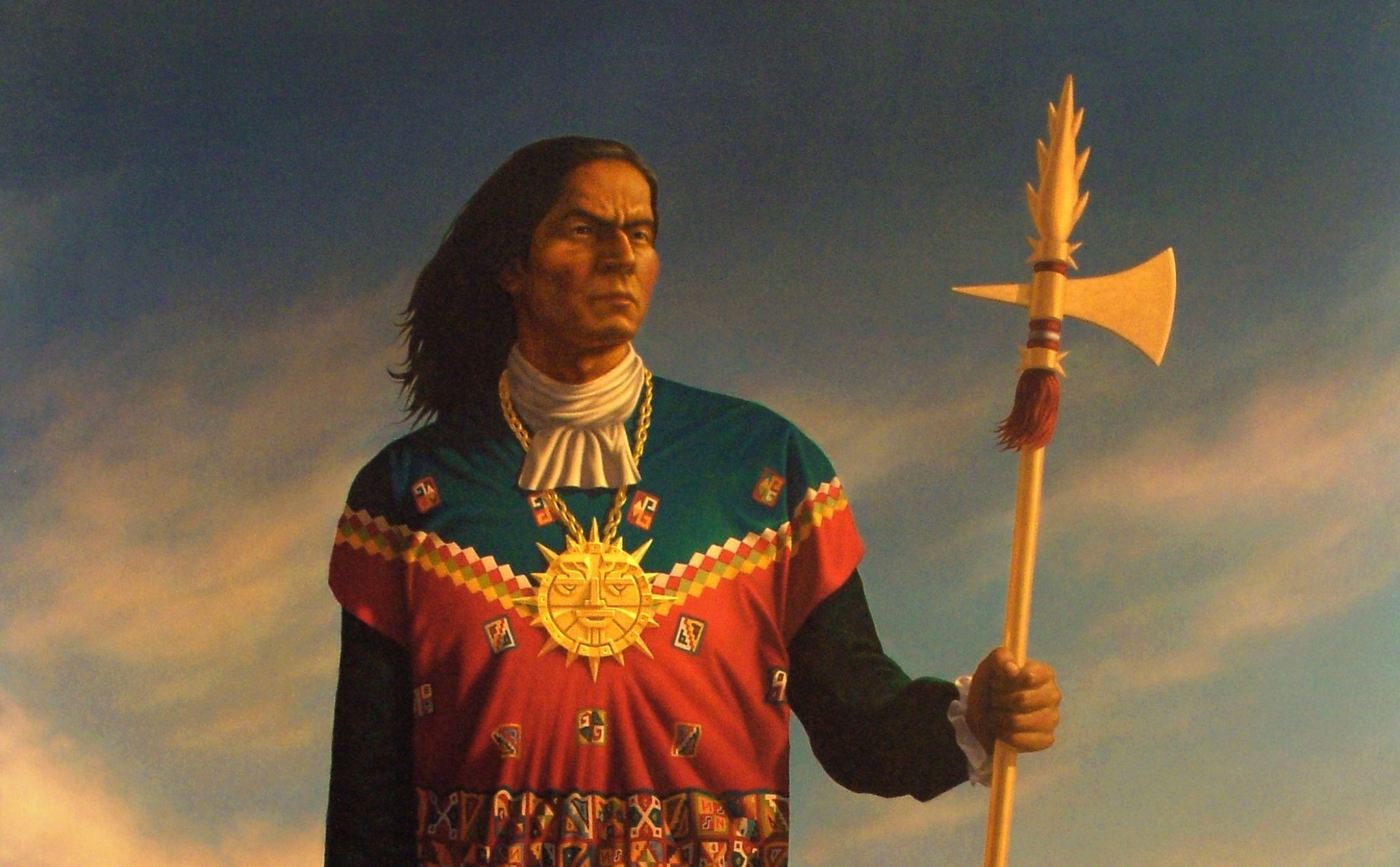
The first major attempt at liberation was led by Tupac Amaru II in 1780 - and although it was brutally suppressed and resulted in the massacre of many of the indigenous populations - it did pave the early foundations and a unified idea of an independent Andean state.
Many regional uprisings (like those in Tacna and Cusco) then began to take place, which were further strengthened given Spain was being invaded by Napoleon at the time - which weakened their grip on their colonies.
Part II: The Decisive Turning Point In The Colonial War
Unlike other liberations which were quicker and more simple, Peru’s case was much more complex and required highly strategic coordination - given Peru was the crowning jewel and most prized colonial possession of Spain.
This was ultimately achieved by two of South America’s greatest military libertadores - José de San Martín (who had already liberated Argentina and Chile) and Simón Bolívar (who had already liberated Colombia, Venezuela and Ecuador).
San Martín landed in Paracas and led naval forces from the south, eventually taking Lima on the 12th July 1821 - forcing the royalist forces to flee up into the high altitude and remote Andes.
Part III: The Final Battle And Liberation Of Peru
On the 28th July 1821, San Martín raised the new flag and famously declared Peru free in Lima’s Plaza Mayor - however royalist forces still occupied other regions in Peru.
Realising his military strength was not enough to finish the task at hand, he famously met up with Simón Bolívar in Guayaquil during the year of 1822. Bolívar then took command and arrived into Peru in 1823 with his United Liberation Army.
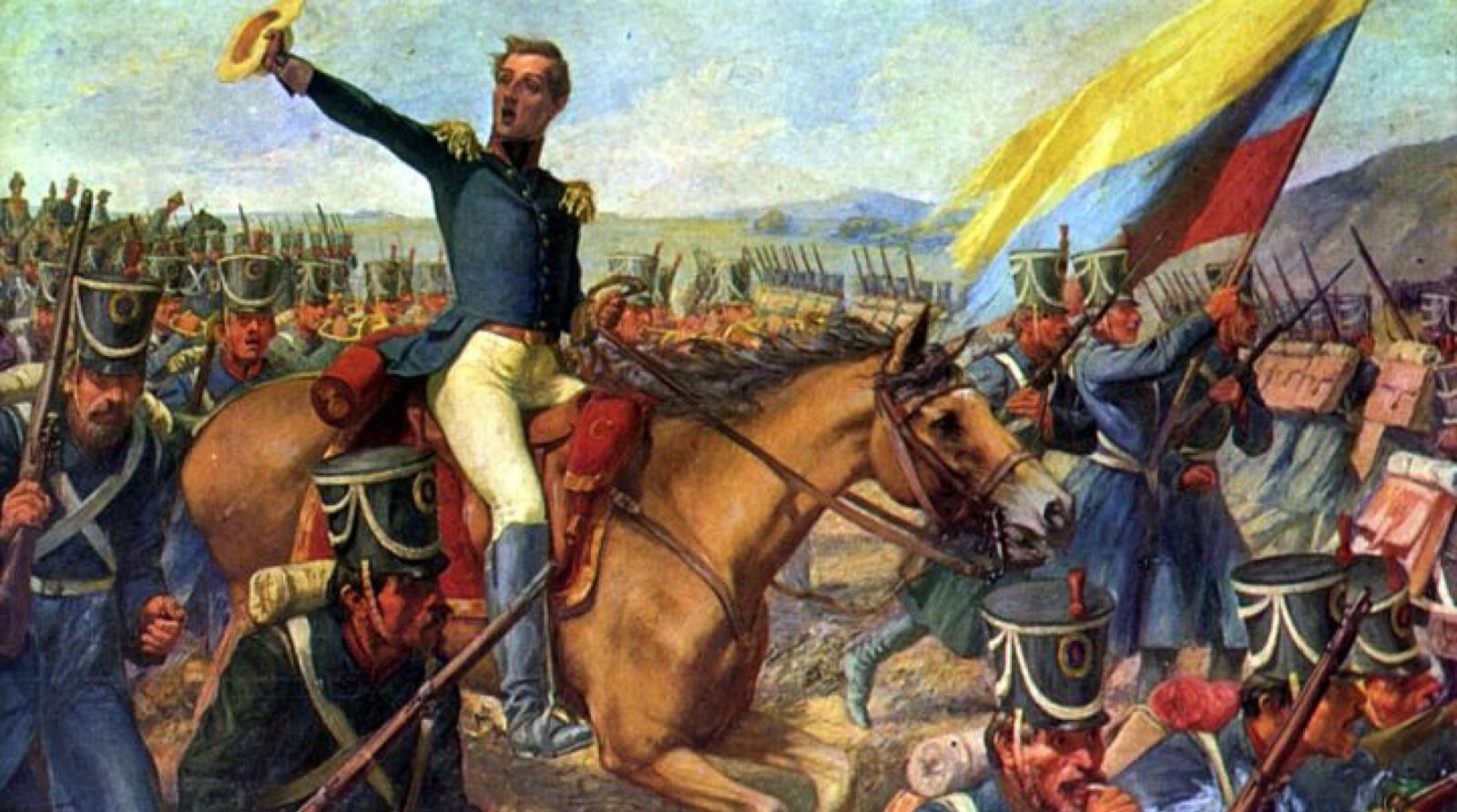
After various battles and another two years of war, the final decisive victory came at the battle of Ayacucho on the 9th December 1824. Led by General Antonio José de Sucre (a lieutenant of Simón Bolívar), they defeated the Viceroy José de la Serna - which ended the war and forced the Spanish to withdraw all forces from Peru and Charcas (Bolivia) with immediate effect.
How Peru’s Independence Day Is Celebrated Each Year
Luxury tourists arriving in Peru during late July will be able to witness some of the biggest parades and celebrations on the annual Peruvian calendar. Within Lima, the President of Peru delivers the "Message to the Nation" from Congress, and festivities in major plazas and streets combine traditional music, dance, and gastronomy. This is a great time to try all kinds of wonderful Peruvian cuisine, such as Lomo Saltado, Ceviche and tasty desserts like the Mazamorra Morada.
Celebrations are also widespread and just as important in different destinations across the nation. In Arequipa, we can enjoy large-scale parades, concerts and gastronomic fairs with a beautiful backdrop of white Sillar architecture and looming volcanoes. The jungle city of Iquitos takes a more exotic twist, with indigenous music and dances taking place, as well as decorated boat parades up and down the Amazon River.
Frequently Asked Questions About Peruvian Independence Day
Below we’ll now answer some of the frequent questions we get about the Peruvian Independence Day, as well as anything else important that you need to know.
Who Controlled Peru Before Independence?
Before Peru reclaimed its title as an independent country in 1821, the country was under the rule of the Spanish Empire. Beginning in 1532 and lasting some 300 years, it was known as the “Vice Royalty Of Peru” and was one of the most prized countries under rule by Spain. This was why it was one of the last countries in South America to gain its independence, and took multiple combined military efforts to defeat Spanish forces.
Who Led The Peruvian Independence?
While resistance and uprisings against the Spanish Empire were frequent and ongoing, the major turning point was achieved by the two libertadores of José de San Martín and Simón Bolívar. San Martín had already won independence for Argentina and Chile, and attacked with naval forces from the south of Peru - while Bolívar, who liberated many countries like Venezuela and Colombia - led forces from the north of Peru.
How Does Peru Celebrate Independence Day?
Peruvian Independence Day is known locally in Peru as Fiestas Patrias, and is celebrated over two days. Beginning on the 28th July, the first day commemorates the famous speech made in Lima by José de San Martín of the country’s newfound independence, which today sees large parades and cultural dancing and singing in cities like Lima, Cusco, Iquitos and Arequipa. The second day pays respect to the establishment of the Republic and the Peruvian Armed Forces and National Police by the raising of the Peruvian flag and with giant performances of the armed forces on major streets in Lima.

Overview Of The Peruvian Independence Day
And that’s all for this guide on the history and importance of Peru’s Independence Day, as well as how to celebrate it in style if coming to Peru over the course of these two days.
Peru has a long and rich history, stretching several thousands of years back to the times of the ancient Wari, Caral and Paracas cultures. However, perhaps the most important date which shaped the country as we know it today is the Peruvian National Day - which saw Peru regain its sovereignty as an independent country on the 28th July 1821. Luxury travelers who are visiting around these dates will be able to enjoy giant parades, processions and indigenous music with performances in major cities and towns all over Peru.
Are you currently planning your vacation around Peru, and want to experience cultural traditions and rich cuisine along with the finest five-star hotels and comforts? Get in touch with our expert team now, where we have decades of experience crafting the most extraordinary journeys for our passengers.
