


The Plaza De Armas Of Peru: Get To Know The Colonial Heart Of Each City
Have you heard of the historic Plaza de Armas squares in Peru?
The beating heart of each city and major town throughout this diverse South American country, these central plazas are some of the most historic areas to visit. Here tourists can not only learn about their cultural importance and significance during guided visits, but also enjoy the colonial cathedrals, beautiful architecture and bustling atmospheres of each plaza.
In this comprehensive article we’ll explore everything you need to know about the Plaza de Armas in Peru. This includes why they were first built and the key history behind them, as well as the very best ones to visit during your luxury vacation around Peru. We’ll also answer anything else you need to know in our frequently asked questions section.
The History And Cultural Importance Of Peru’s Plaza De Armas
Ancient Beginnings In The Inca Times
Long before their current names and usage, the Plaza de Armas were already an integral part of life in Peru. The first plaza in Cusco was originally known as Huacaypata, built under orders of Emperor Pachacútec roughly around 1438. Construction here began around the 12th century, where a swamp was drained to make space for the foundations. This original square was almost double the size of today’s Plaza de Armas, which was surrounded by royal palaces, temples and important administrative buildings. Here the Inca held religious ceremonies and grand festivals dedicated to their deities such as the Inti Sun God.
As the Inca continued to grow in influence and presence around Peru, they began creating other similar plazas in other major cities. The most notable included those in the cities of Huanuco, Ayacucho and Cajamarca - all of which were well connected to Cusco given the expansive Qhapaq Ñan highway network. Many subsequent plazas also featured an Ushnu, which was a pyramid and altar used by the Emperor and governors for performing rituals.
The Spanish Conquest And Colonial Period
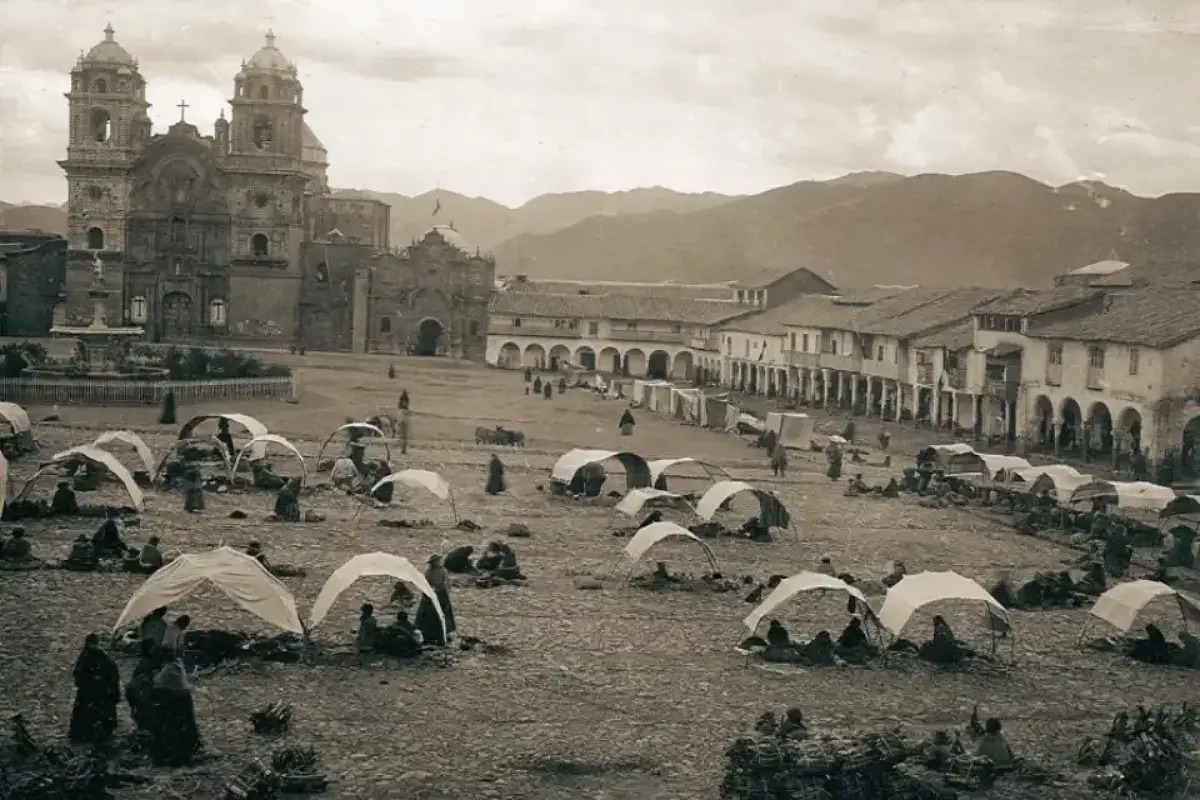
Following the Spanish conquest of Cusco in 1533, the former Huacaypata underwent an enormous transition as the new colonial rulers began reshaping the Inca capital. Many of the original royal palaces and religious buildings were dismantled or converted into Spanish structures, while the enormous square was reduced in size - into the current Plaza de Armas that we see today. This smaller area saw the construction of the Cusco Cathedral and the Church of the Society of Jesus, which to this day remain two of the most impressive landmarks overlooking the Plaza de Armas.
Throughout the colonial period, this prominent square continued to serve as the center of public life, hosting important religious processions, expansive markets as well as political ceremonies. New plazas also began to be constructed during this time across the country, notably those of Lima and Arequipa which remain two of the most beautiful and important plazas in Peru. However, these central squares also became a setting of violent confrontations and public executions - and especially within Cusco as resistance against the colonial rule began to grow. The most notable was the public execution of indigenous rebel leader Túpac Amaru II, following his major uprising against the Spanish Empire.
Peru’s Long Journey To Independence
During the late 18th and early 19th centuries, Cusco’s Plaza de Armas became an important setting for the growing resistance against Spanish rule - and especially after Túpac Amaru II’s execution. More revolutionary movements continued to emerge throughout the southern Andes, with the Cusco Rebellion of 1814 being one of the most prominent. Here the Angulo brothers and indigenous leader Mateo Pumacahua challenged the Spanish across many regions of Peru - however was eventually defeated by colonial forces in 1815.
On July 28 1821, General José de San Martín made the famous public declaration of independence against the Spanish in Lima's Plaza de Armas - however colonial powers still continued to control important territories throughout the Andes. It wasn’t until the decisive battle of Ayacucho in December 1824 that the Spanish was effectively defeated, where Cusco finally held its own independence proclamation on January 9 1825 by Agustín Gamarra - right within the heart of the Plaza de Armas. Today this particular square and surrounding area within the historic center remains one of Peru’s most important, where nearby structures like the temple of Qorikancha contain both magnificent colonial architecture along with the original ancient Inca foundations.
The Very Best Plaza De Armas To Visit In Peru
Cusco Plaza De Armas
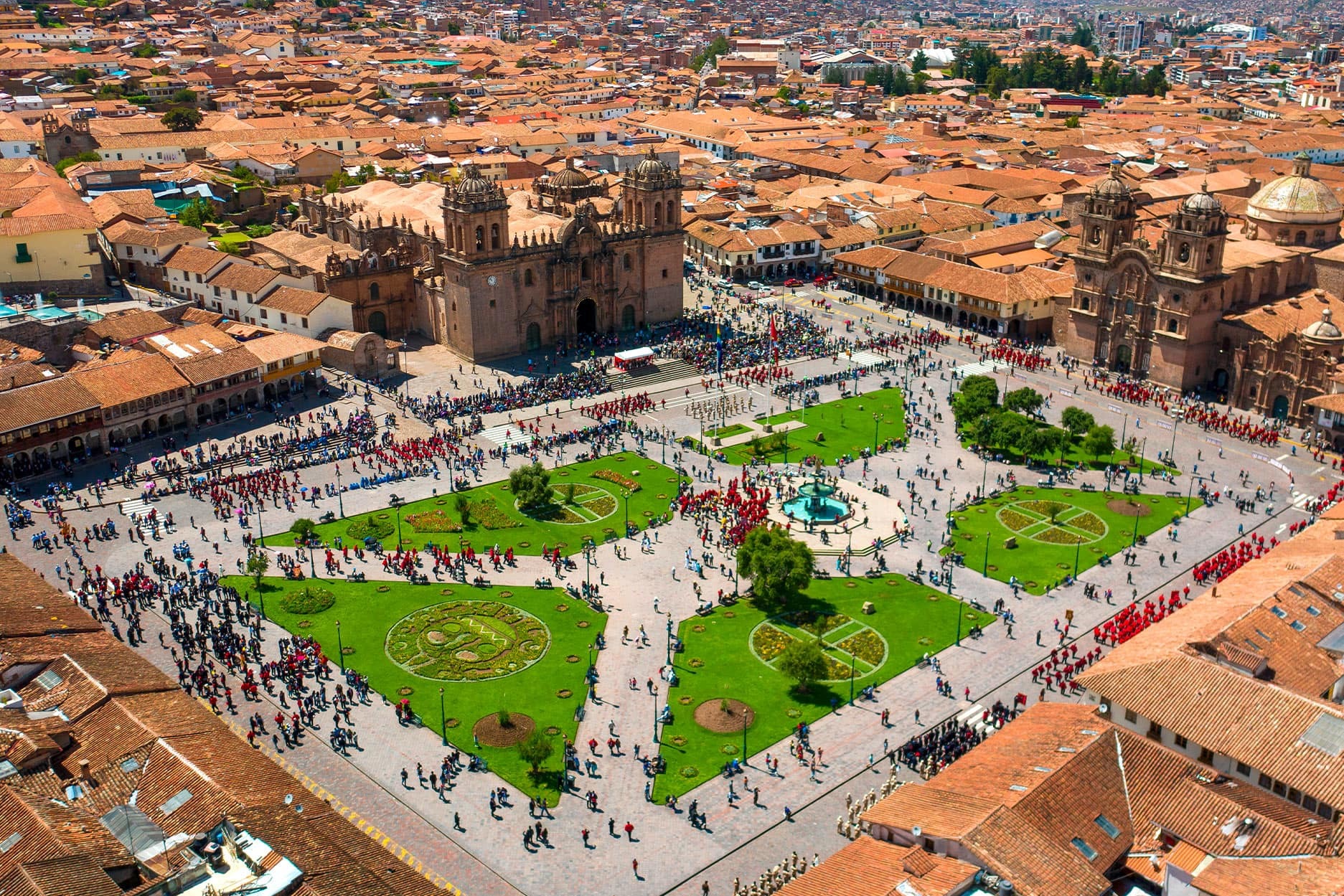
Located right in the historic heart of Cusco, this plaza was formally known as Huacaypata and served as an important ceremonial center for the Inca Empire. Following the Spanish conquest in 1533, it was transformed into a smaller colonial-style square, where buildings like the Cusco Cathedral and Church of the Society of Jesus were constructed. Today explorers can wander along the plaza and sit on the high steps below the cathedral for panoramic views, while also exploring the nearby San Blas district with its winding colonial streets.
Best For: Inca History And Andean Architecture
Lima Plaza Mayor
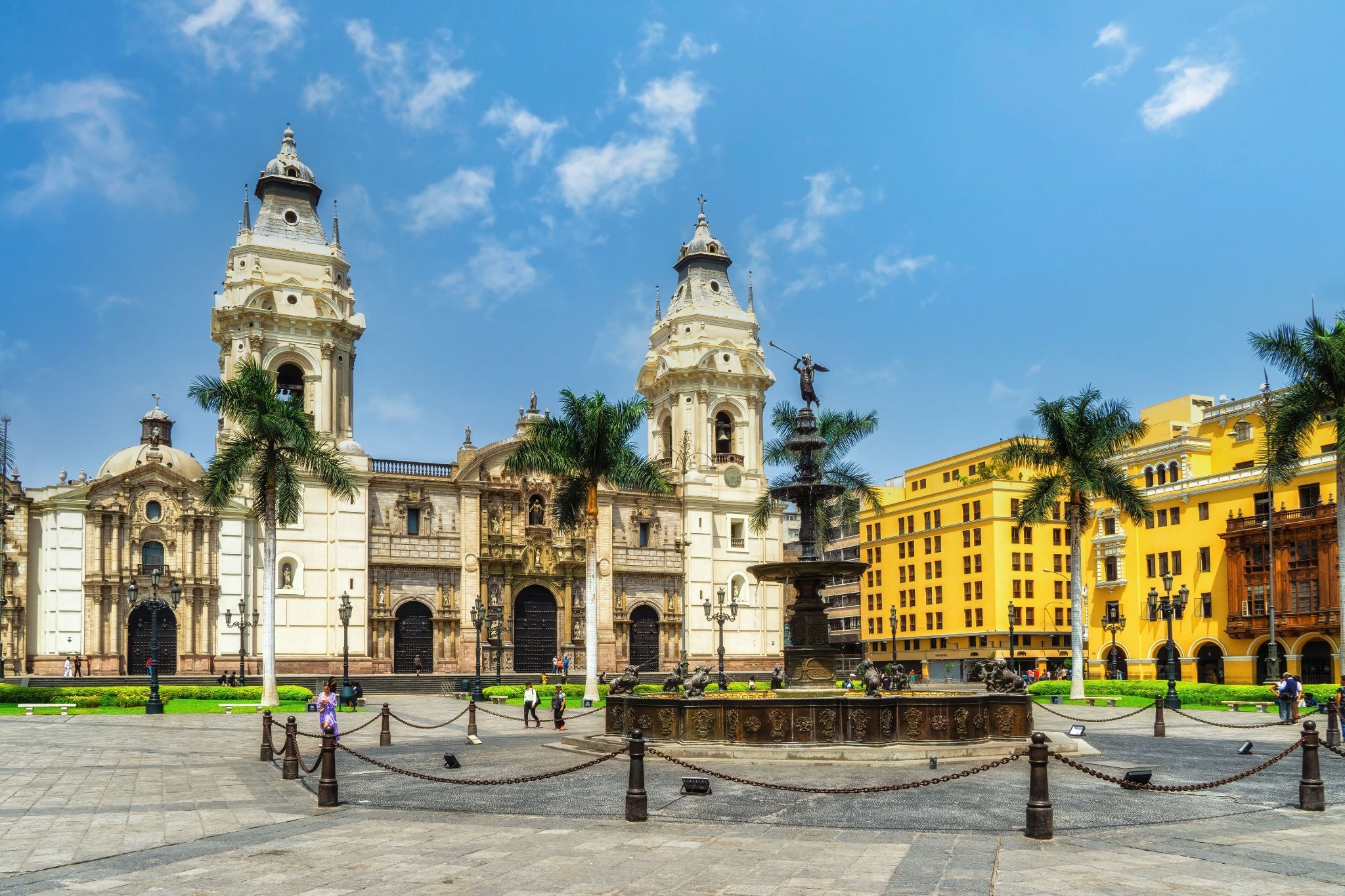
This historic square was where General José de San Martín famously declared Peru’s independence in 1821, and is the political heart of both the capital as well as the rest of the country. Here we can find the Government Palace, Lima Cathedral and Archbishop’s Palace, along with elegant colonial architecture and a bronze fountain in its center. It’s the perfect place for visitors to admire both the political present and liberation from Spanish rule.
Best For: Peru’s Independence And Colonial Heritage
Arequipa Plaza De Armas
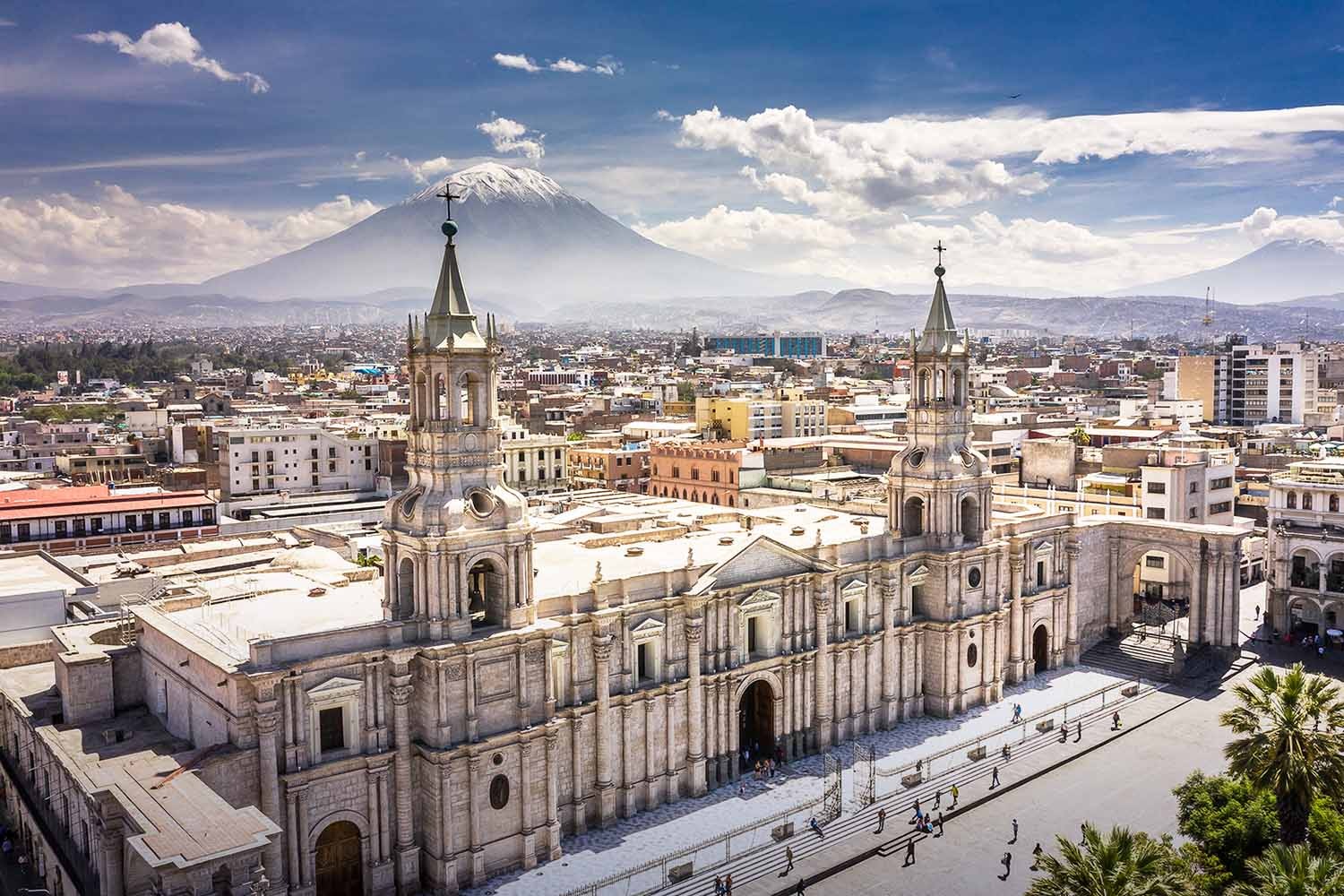
Often considered the most beautiful plaza in Peru, Arequipa’s Plaza de Armas is famous for its elegant colonial architecture - built entirely out of the volcanic white sillar stone. Here we can explore incredible views from gourmet restaurants that line the upper terraces around the plaza, along with views of the looming El Misti Volcano in the distance. We can also enter the spectacular Arequipa Cathedral, comparing the original foundations along with the newer sections which were rebuilt following a major earthquake.
Best For: White Volcanic Architecture And Breathtaking Views
Plaza Mayor Of Ayacucho
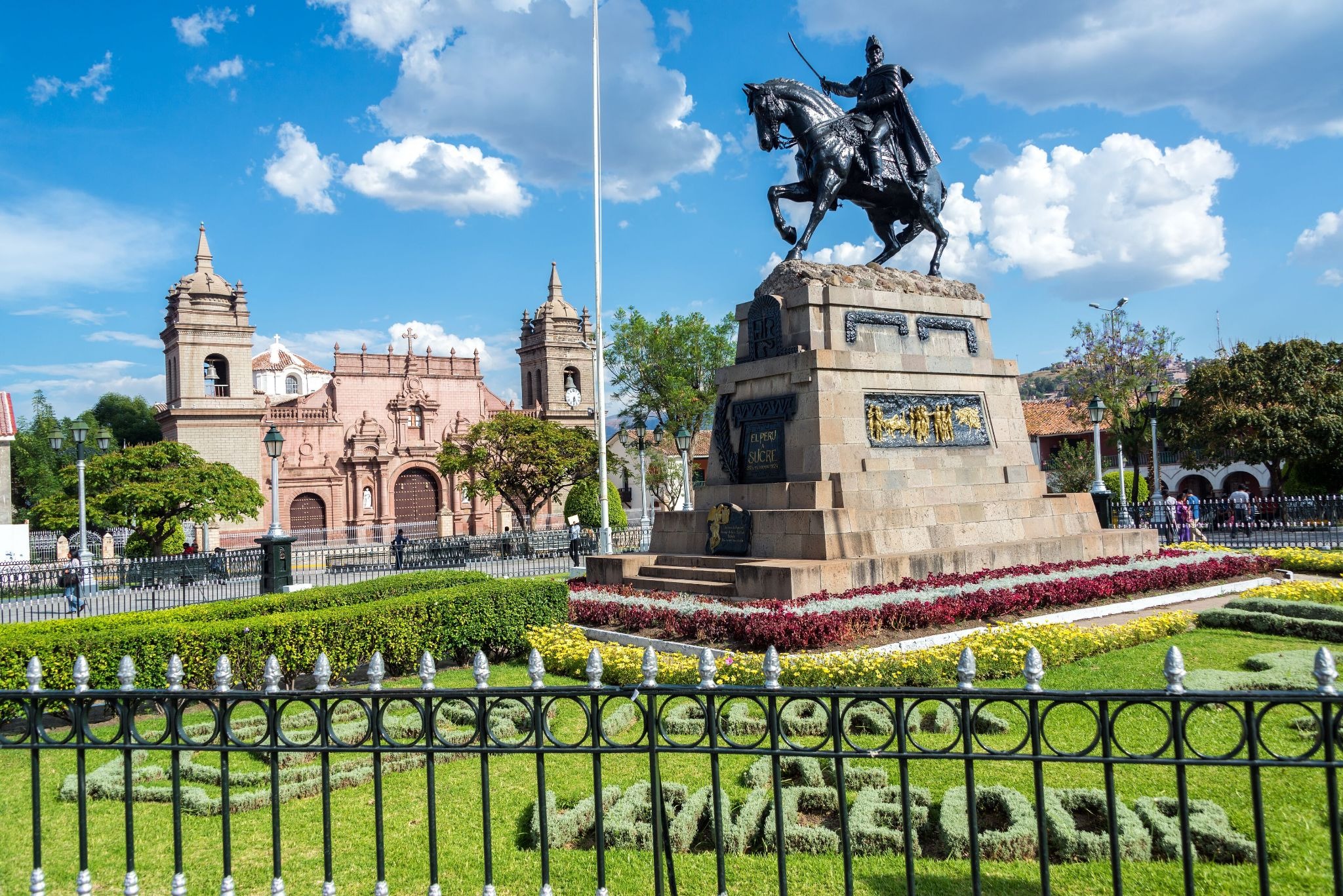
Situated high within the Andes, this impressive plaza played an important role in Peru’s independence, with the decisive Battle of Ayacucho taking place nearby in 1824. Here the major square is surrounded by beautiful colonial mansions, traditional stone facades and the magnificent Ayacucho Cathedral. This plaza is most famous during the Semana Santa celebrations, where elaborate religious processions and colorful festivities attract visitors from around the country and abroad.
Best For: Cultural Traditions And Peru’s Independence History
Trujillo Plaza De Armas
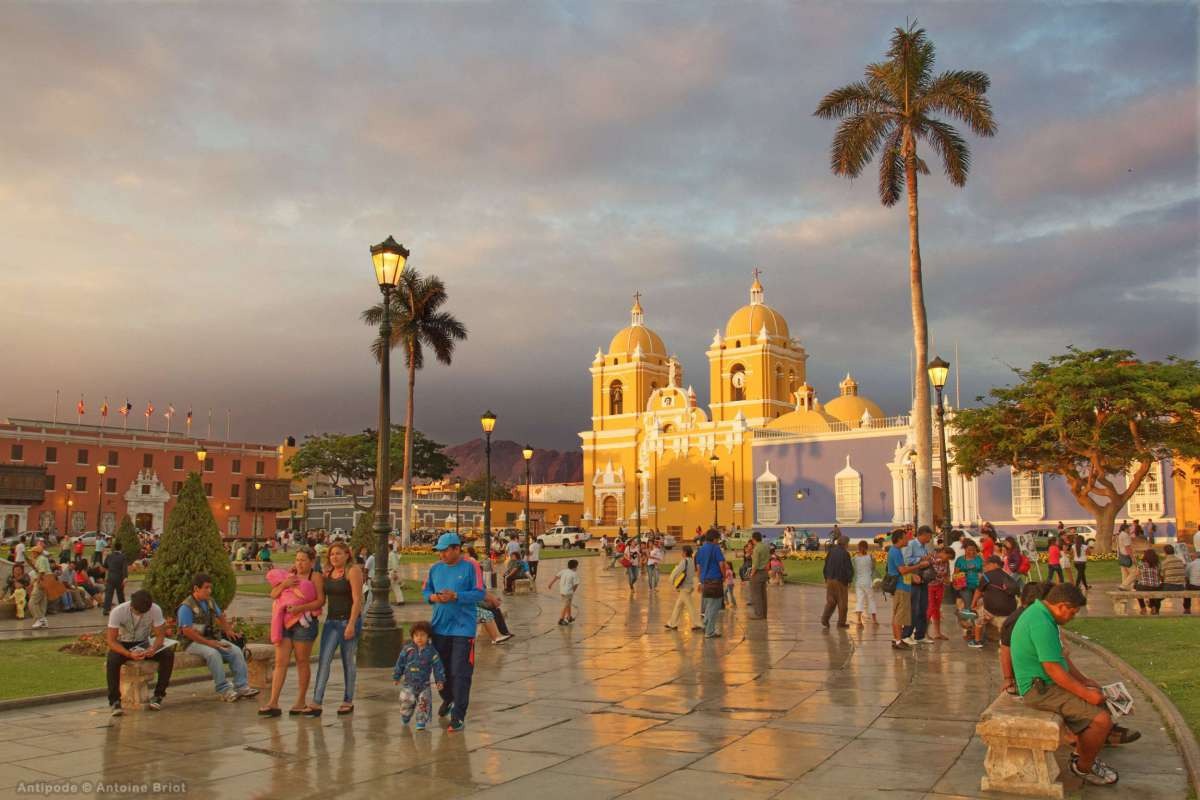
Back along Peru’s Pacific coast, Trujillo’s colonial plaza is renowned for its colorful buildings, elegant balconies and the Freedom Monument erected right in the heart of the square. Here visitors can admire the striking yellow Trujillo Cathedral, alongside historic mansions that reflect the city’s prosperous past - along with the statue which honors the city's independence from the Spanish in 1820. Today visitors can enjoy a stroll through the timeless plaza, as well as enjoy visits to nearby Chan Chan and the ancient Moche temples.
Best For: Colorful Colonial Architecture And Ancient Coastal History
Explore Peru’s Colonial History With The Luxury Peru Travel Company
From early Inca roots and the stages of rebellion against the Spanish Empire, to the grand palaces and cathedrals that line them today, Peru’s Plaza de Armas are a fascinating inclusion to explore during your time in each major city. They also represent the focal point of each destination too - making them ideal for luxury travelers to stay in nearby hotels and have great boutique restaurants and amenities in the immediate vicinity.
Here at The Luxury Peru Travel Company, our vacations offer the most comprehensive experience during your stays. Luxury travelers will not only learn the history and contemplate life in the plaza with our expert private tour guides, but will also have the very best hotel stays and seamless travel included. Speak with one of our local trip planning experts now to see how we can tailor your most unforgettable Peru vacation.
Frequently Asked Questions Regarding Peru’s Plaza De Armas
Below we’ll now answer some of the frequent questions we get about the Plaza de Armas in Peru, as well as anything else important that you need to know.
Why Is The Plaza De Armas In Lima Important?
Lima’s Plaza de Armas is the most important square in the modern history of Peru, as it was here where Francisco Pizarro and the Spanish first founded the capital city in 1535 - and also where General Don José de San Martín declared Peru’s independence in 1821. Today the Plaza de Armas of Lima is ringed by important buildings such as the President’s Palace, the Archbishop’s Palace as well as the Metropolitan Cathedral of Lima.
Which Are The Most Beautiful Peru Plaza De Armas To Visit?
While there are dozens of Plaza de Armas worth visiting, some are truly breathtaking to wander around during your trip. This includes Arequipa’s Plaza de Armas which is built almost entirely out of the white volcanic sillar stone, with a backdrop of the towering El Misti volcano. Lima’s Plaza de Armas commands authority with its important national buildings and Spanish baroque facades, while those of Cusco and Cajamarca are famous for their giant cathedrals and energetic atmospheres.
Why Is Lima The Capital Of Peru, And Not Cusco?
Lima was chosen as the Peruvian capital due to its strategic location and access - making it easy to transport goods by sea from the Callao port, and also to receive fresh troops or goods when needed. Cusco, on the other hand, would have required weeks long trips just to transport items due to its remote location. In fact - it’s interesting to know that Pizarro initially tried to form the capital in Jauja up in the Andes prior to choosing Lima - however this was quickly rejected due to the harsh climate and difficult altitudes,while Lima offered better strategic access to the coast.
Overview Of The Historic Plaza De Armas Of Peru
And that’s all for this guide on the Plaza de Armas squares of Peru, and their importance throughout this historic South American country.
The main heart and foundations of each major city and town in Peru, these plazas symbolize both strength and development - and it’s common to see many important buildings or upscale restaurants located around them, as well as both crowds of locals and tourists alike enjoying their bustling atmosphere. Luxury travelers in particular can enjoy walks around major Plaza de Armas with private tour guides, learning about key history along with visits to key sites in their immediate surroundings.
Are you ready to explore the very best highlights and fascinating history of beautiful cities such as Lima, Cusco and Arequipa? Here at the Luxury Peru Travel Company, we craft the most unforgettable Peru vacations for our guests - including five-star hotels, private tour guides, gourmet dining experiences and more. Get in touch with our expert planning team now and start planning your dream Peru vacation with us.
