


The Inca Trail: Inside The Ancient Trek To Machu Picchu For Luxury Travelers
Are you curious about hiking the famous Inca Trail that leads to Machu Picchu?
Built by the Inca civilization, this extensive network of stone paths connects Machu Picchu to the deep cloud forest and higher-elevated Andes regions. In recent times, it has become one of the most iconic outdoor adventures to experience when in Peru - where luxury travelers can enjoy a private trek with gourmet meals and more comfortable amenities, while seeing incredible ruins and spectacular scenery along the way.
In this comprehensive article we’ll explore everything you need to know about the famous Inca Trail hike in Peru. This includes what luxury travelers can expect during this multi-day trek, the highlights of the route, as well as how you can enjoy a seamless and comfortable trip on your route to Machu Picchu. We’ll also answer anything else you need to know in our frequently asked questions section.
The Fascinating History Of The Inca Trail
Origins Of The Inca Trail And Why It Was Built
While Machu Picchu was constructed by the Inca during the 15th century, Andean civilizations such as the Wari had already developed road infrastructure centuries before the rise of the Inca. The Inca would later incorporate and dramatically expand these earlier routes as their empire grew from Cusco. Once the Inca later emerged around Cusco during the 13th century, they would then inherit these routes as they gained power and began growing this network throughout the continent.
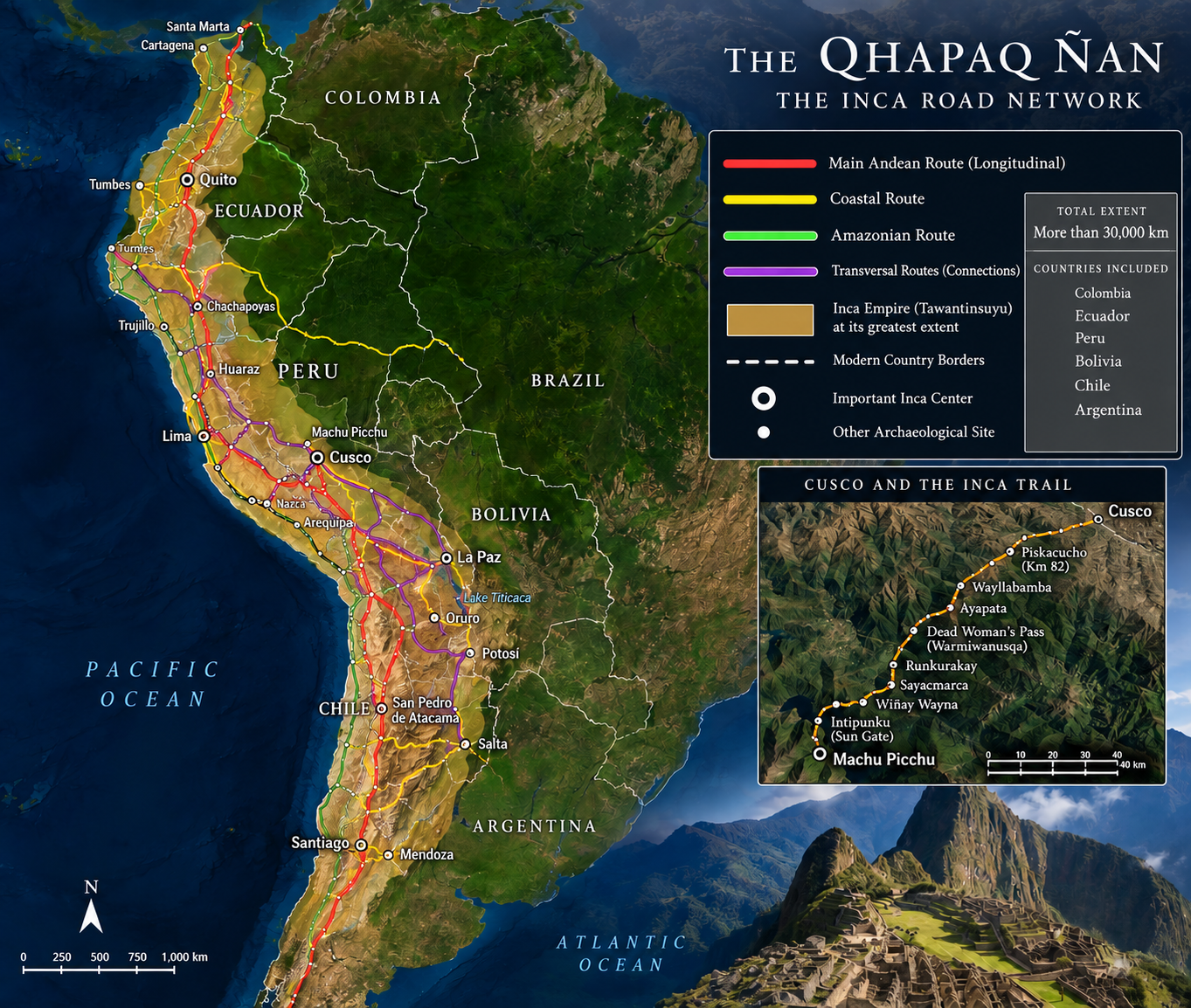
However, most incredibly, the majority of the Inca Trail expansion only occurred during the 15th century under orders from Pachacuti. In just 100 years before the eventual fall of the Inca, the new Qhapaq Ñan (as it was known in Quechua) would later cover several thousands of kilometres around South America. This allowed the Inca to not only transport goods and animals around with ease - but also for connecting important settlements and ceremonial sites directly to Machu Picchu.
The Inca Trail At The Height Of The Inca Empire
By the early 1500s, the larger Qhapaq Ñan network of pathways now stretched over 30,000km and connected as far north as Colombia and as far south as Argentina - transforming their road system into one of the greatest infrastructure networks of the pre-industrial world. Given the sheer size of the Inca Empire’s influence across the continent, these roads were essential for controlling territory and protecting their people - which they did so with a particularly ingenious method.
The Chasquis were essentially Inca messengers, who ran relays between checkpoints to pass on important information. One would run at full speed for a few kilometres, until reaching the next who would then do so in turn along the stone paths. This way important messages, orders and even supplies could travel hundreds of kilometres in just a single day - which was vital for communicating important orders or warning of any incoming threats.
How The Inca Trail Survived The Spanish Conquest
Once the Spanish arrived and conquered Cusco in 1533, the Inca world rapidly changed as Machu Picchu and much of the nearby Inca Trail route would now be abandoned for centuries to come. While the exact dates for each site remain unknown given the sheer size of this network, what was known was that the Spanish focused much of their effort on claiming Vilcabamba - with little importance placed on finding these stone paths that the Inca had left behind.
This isolation ultimately helped to preserve the Inca Trail and the settlements found along it today, with much of it becoming covered in thick vegetation deep within the remote Andes. Despite hundreds of years passing, local people still knew of these ancient routes, and in 1911 they would then guide Hiram Bingham to the abandoned site of Machu Picchu. Further expeditions around the region would later re-connect the closer network of the Inca Trail - and today hikers can walk this 43km route which passes through sites such as Sayacmarca, Runkurakay, Wiñay Wayna and the Dead Woman’s Pass.
Everything You Need To Know About Hiking The Inca Trail In Peru
How Long Is The Inca Trail To Machu Picchu Trek?
There are actually two different routes that lead up to Machu Picchu; the Four Day Route and the Two Day Route. While each offers incredible history and landscapes, the experience vastly differs between them.
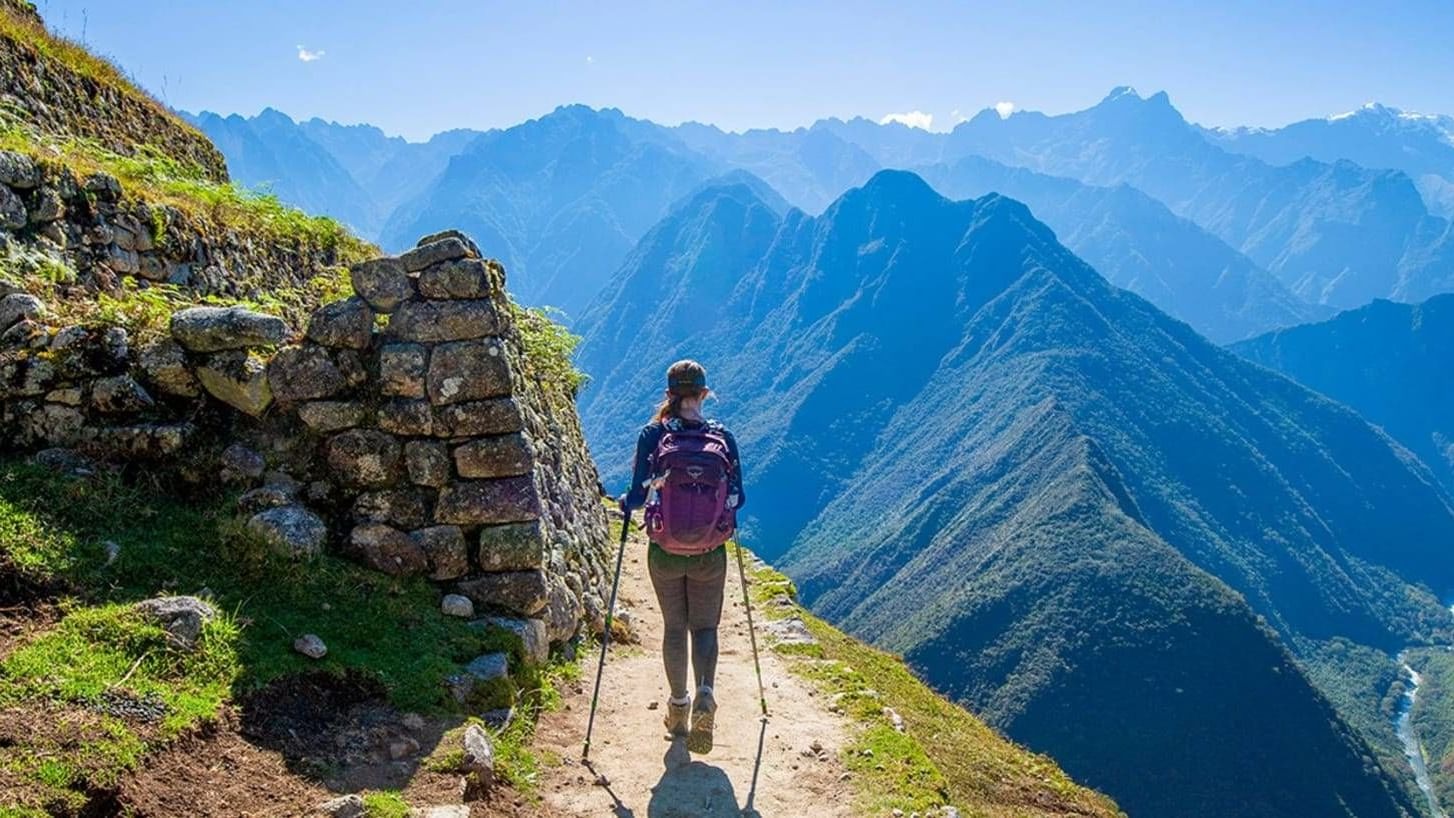
The Four Day Inca Trail is the classic trek, which begins at the remote gateway of Piskacucho within the upper Andes. This is the full route which stretches 43km across wild mountains, lush cloudforests and upper Amazon Rainforest. The first three days require between 5-7 hours of hiking where you will camp within the Andes, while the final day is enjoyed within Machu Picchu ruins and around the town of Aguas Calientes.
The Two Day Inca Trail is much shorter and easier in comparison, with only one full day of hiking required. Here you will take the train to the rail station of Chachabamba, visiting ruins like Wiñay Wayna before walking several hours until you reach Machu Picchu in the afternoon. The evening is spent in a hotel in Aguas Calientes rather than camping, before visiting the ruins again in the following morning before taking the train back to Cusco.
Is The Inca Trail Difficult To Hike?
Both of the Inca Trail routes require a decent level of general fitness to complete - although the shorter Two Day trail hike is generally much easier.
Essentially a one day hike, this shorter route can be completed by most with little training prior, however it’s still recommended to acclimate for a couple of days in Cusco prior to avoid getting any altitude sickness symptoms along the way. It’s essentially an uphill walk from Chachabamba to Wiñay Wayna Ruins - so you should be comfortable with a gradual incline during your trek up to Machu Picchu.
The longer Four Day Inca Trail hike is more challenging, and requires some prior training and experience with longer hikes. The second day is usually the most difficult as you reach the highest elevations of the route, while the first and third days head through upper Andes landscapes and deep cloudforest regions. Usually the vast majority of hikers experience little issues hiking the full Inca Trail route when walking slowly - and also by spending several days in Cusco before the trek to properly acclimate to the higher Andes elevations.
Why Luxury Travelers Should Consider Hiking The Inca Trail
Hiking the Inca Trail doesn’t necessarily mean sacrificing comfort. While following the same routes, a luxury Inca Trail trek can significantly change the experience that guests experience by including private guides and better amenities.
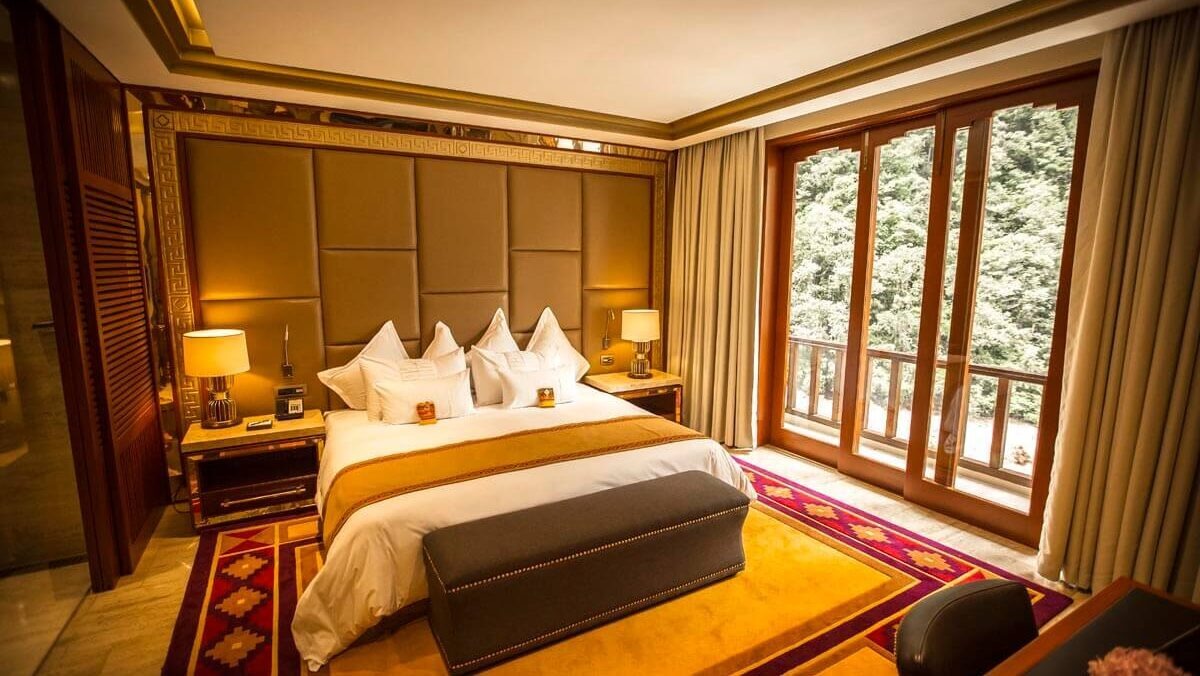
During the shorter Two Day Inca Trail Hike, travelers will enjoy a private departure to Chachabamba along with their very own expert guide. Personal belongings will be waiting for you at your luxury hotel within Aguas Calientes - which you’ll arrive at later that day. During the trek you will also enjoy a gourmet lunch prepared for you as you overlook Wiñay Wayna Ruins and the vast Urubamba Valley. Guests can then return back to Cusco onboard the exclusive Hiram Bingham Train which includes exceptional dining and the most comfortable seating.
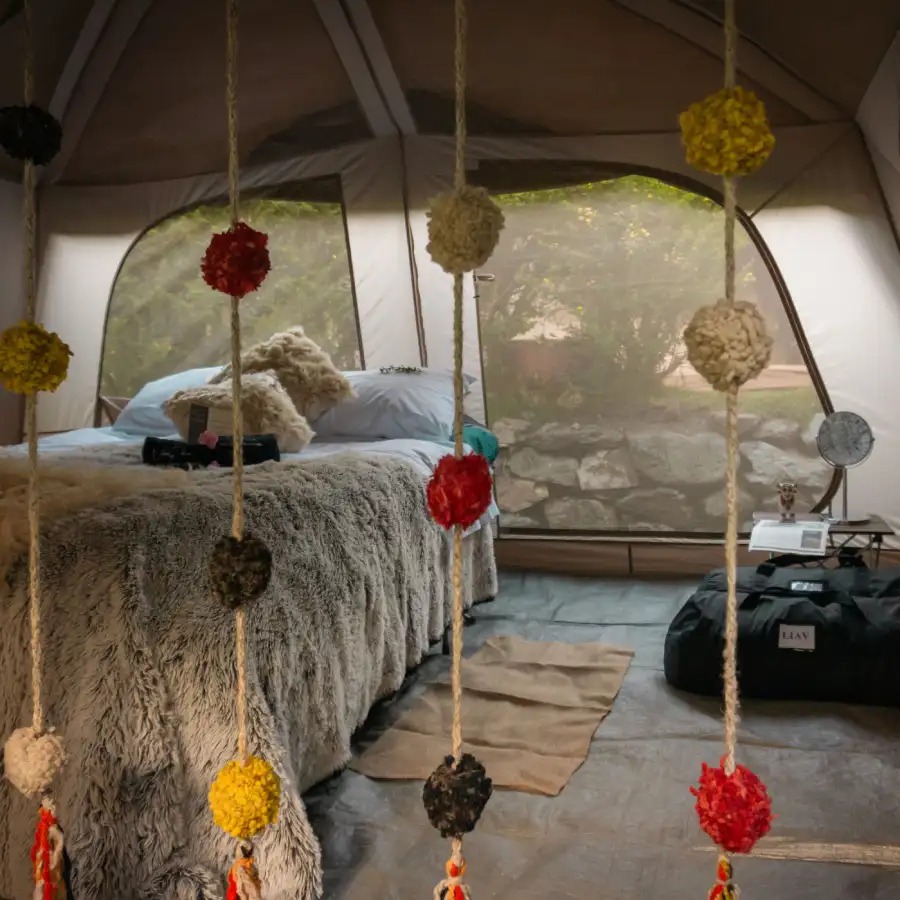
Adventurous guests can also enjoy an upgraded experience during the Four Day Inca Trail Trek. Accompanied by a private guide instead of a shared group, travelers have much more flexibility in the pacing during each day of the hike. This is particularly valuable when visiting sites such as Phuyupatamarca and Sayacmarca, where we can appreciate the history without feeling rushed to follow a strict itinerary. More spacious tents, comfortable mattresses, hot-water washing facilities and multi-course meals are all also provided - helping to upgrade the entire Inca Trail experience for luxury travelers.
Overall, the Inca Trail can be a great addition for guests who want to add more adventure and ancient history to their luxury Machu Picchu vacation - while still enjoying the very best comforts along the way.
When Is The Best Time To Hike The Inca Trail?
It’s important to know that different Inca Trail seasons can vary your experience considerably, so it’s worth properly understanding them before booking your trip.
The Dry Season Of The Inca Trail
Beginning in May and lasting until October, the dry season is by far the most popular time to hike the Inca Trail. Clear blue skies are much more frequent, which provide the very best views and hiking experience along the routes. Much of this season however is peak tourist season, meaning the Inca Trail’s limited capacity often sells-out quickly. The most popular months like June and July in Peru often sell out months in advance - so it’s important to prepare your dates and book your trip well in advance of your arrival into Peru.
The Wet Season Of The Inca Trail
From November until April, we now enter the wet season for the Inca Trail. While showers become frequent during these months, this does bring the advantage of more vivid scenery - as well as the idyllic mists that can be found around ruins and up within the Andean cloudforest regions. With the exception of the Christmas and New Years periods, most months in this period are low season - meaning trails are much emptier and more authentic for those who dislike crowds or seeing lots of other tourist groups during their hikes.
*It’s important to note that the Inca Trail is closed every February for maintenance purposes.
Frequently Asked Questions Regarding Hiking The Inca Trail
Is The Inca Trail To Machu Picchu A Difficult Trail To Hike?
The Inca Trail can best be described as a medium to somewhat challenging hike, however this also depends on your personal experience. Here you will spend several hours each day hiking on uneven stone paths, while also dealing with the higher altitudes of the Andes (between 2400m-4200m depending on the route you choose). However with good preparation before your trip and a slow pace, the vast majority of trekkers complete the Inca Trail with little difficulty.
How Many People Fail The Inca Trail?
Very few people fail the Inca Trail, where the vast majority of hikers successfully complete the longer route with no issues whatsoever. Those that do have some trouble along the way (such as tiredness or altitude sickness) still make it too - provided they walk slowly and stay well hydrated during the trek. During your luxury Inca Trail expedition, you’ll be accompanied by expert local guides who can help you in case you have any inconveniences while hiking the route to Machu Picchu.
Can A 70 Year Old Hike The Inca Trail?
Yes, a 70 year old can hike the Inca Trail as long as they are in good physical shape, train before their hike, and get medical clearance from their practitioner. If you are still unsure, there is also the choice of the shorter two day route for those who are concerned about the altitude or physical requirements. It’s important to know that there is no age limit set by the Peruvian government for hiking the Inca Trail, so anyone of any age can enter the trail as long as they have a valid permit.
Overview Of Hiking The Inca Trail
And that’s all for this guide on hiking the famous Inca Trail to Machu Picchu route.
Beginning in Cusco, the Inca Trail is an unforgettable multi-day trekking circuit which combines ancient history, remote ruins, beautiful landscapes and intimate Andean culture. Luxury travelers can enjoy this trek with more comfortable amenities and gourmet meals, while private expert guides teach you about the incredible history while handling any questions you may have during your trek.
Are you interested in hiking the Inca Trail to Machu Picchu? Here at the Luxury Peru Travel Company, we organise private treks with the most experienced guides and luxurious amenities for our guests. Get in touch with our expert team now, who can help you enjoy this iconic Andean experience along with the very best service possible.
